

Event Report
ReConX brings researchers and consumers together to strengthen collaboration and AI readiness
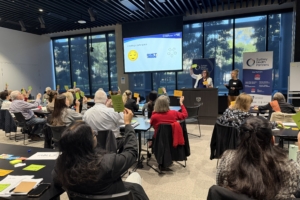
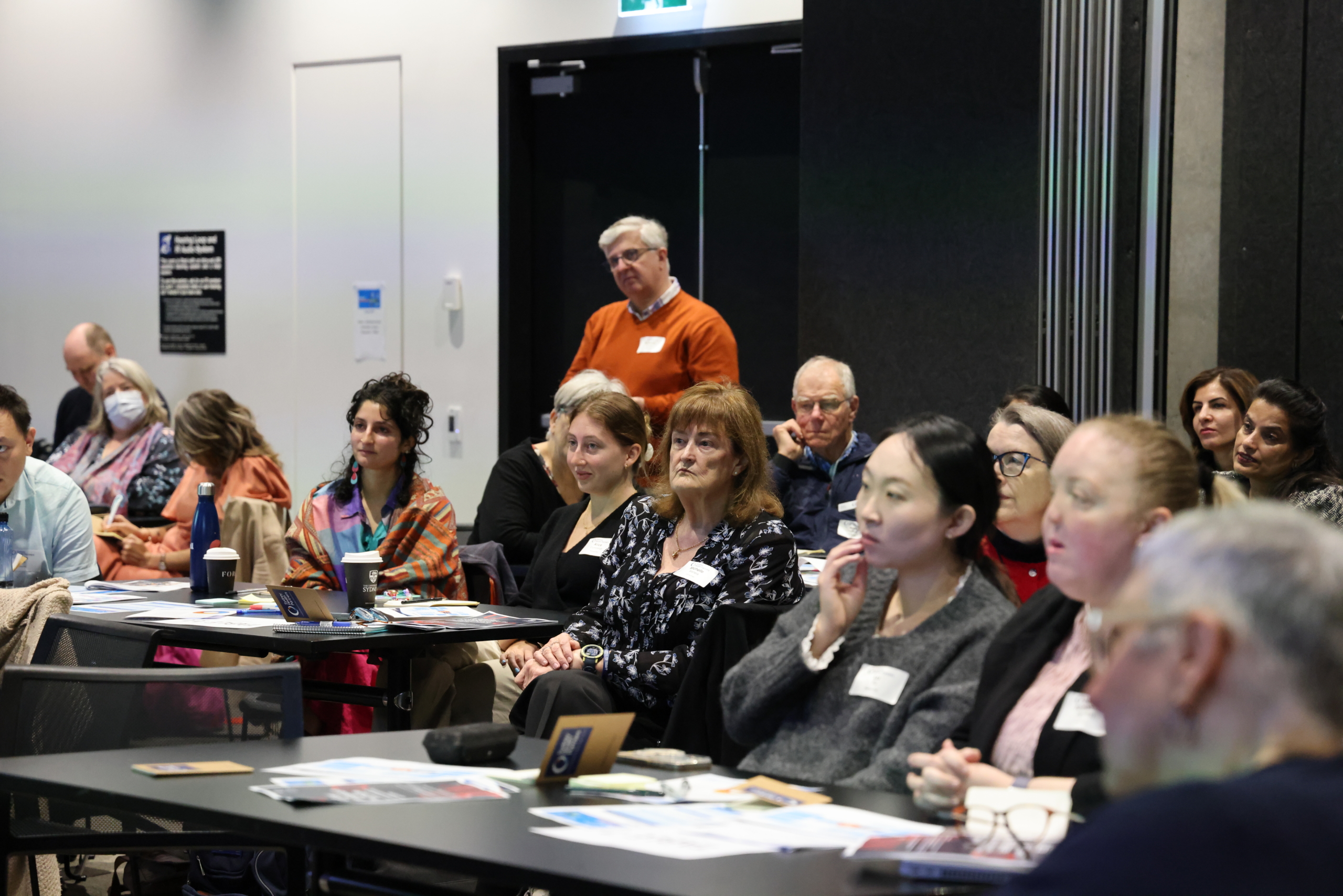
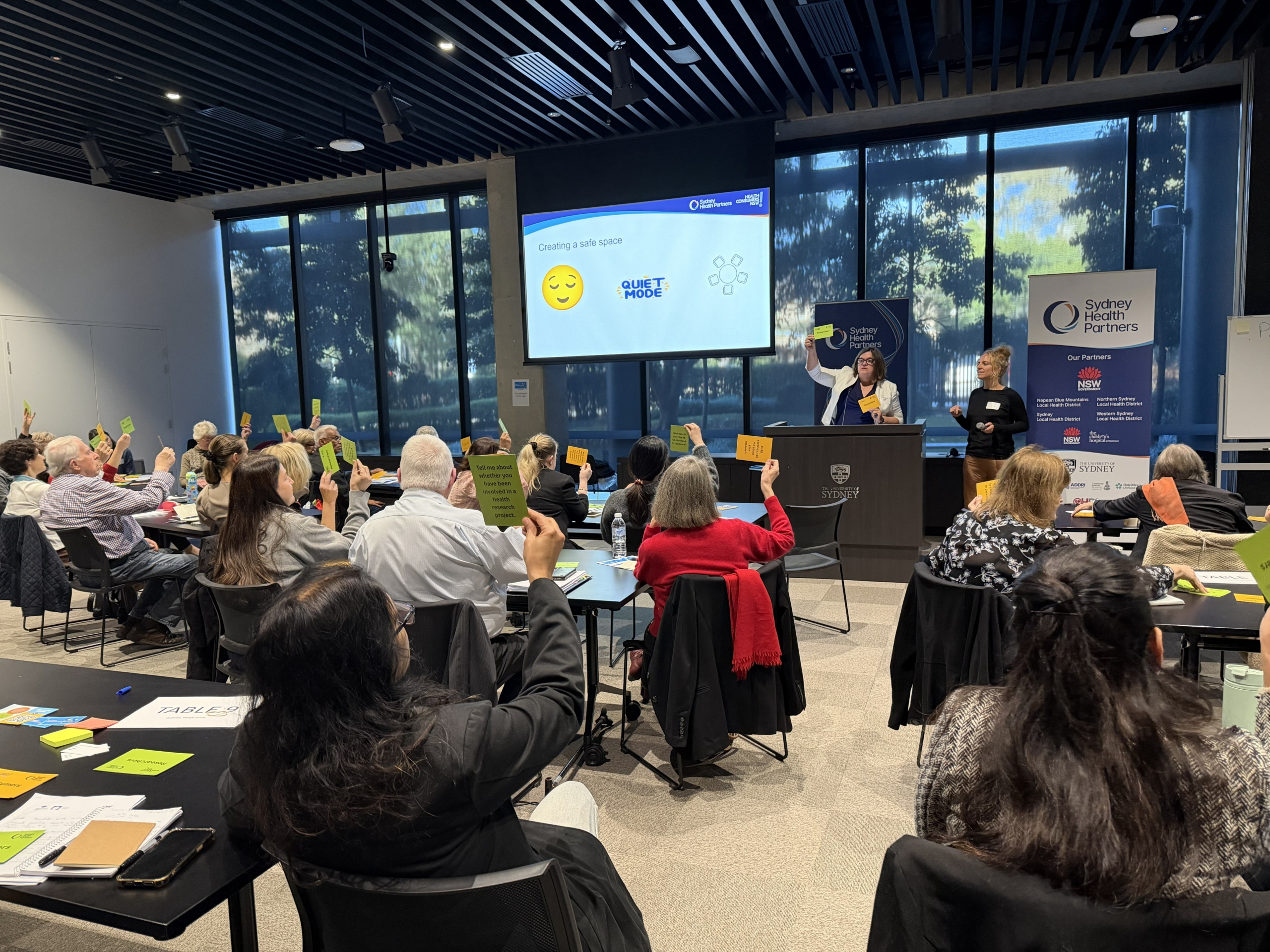
More than 60 researchers and consumers came together at the recent ReConX workshop, co-hosted by Sydney Health Partners and Health Consumers NSW, to develop practical skills and explore new partnership opportunities in health and medical research.
Published date:
Designed to support both emerging and experienced collaborators, the workshop delivered a dynamic, three‑part program focused on policy awareness, artificial intelligence (AI) literacy, and real‑world connection.
Strengthening consumer involvement in research
The workshop opened with a session on the newly released National Statement on Consumer and Community Involvement in Health and Medical Research, which reinforces the expectation that consumers are engaged early and meaningfully in the research process. The Statement encourages moving beyond consumer consultation towards deeper levels of consumer involvement, such as co‑leadership and partnership in research design through to implementation.
The session also introduced two national guidance documents reflecting the rapid integration of Artificial Intelligence in research:
- Policy on the Use of AI in Grant Applications and Peer Review
- National Guide for Assessing Research Involving AI.
Together, these frameworks highlight the need for transparency, ethical oversight, and shared responsibility around the use of AI.
Building AI literacy for the future of health research
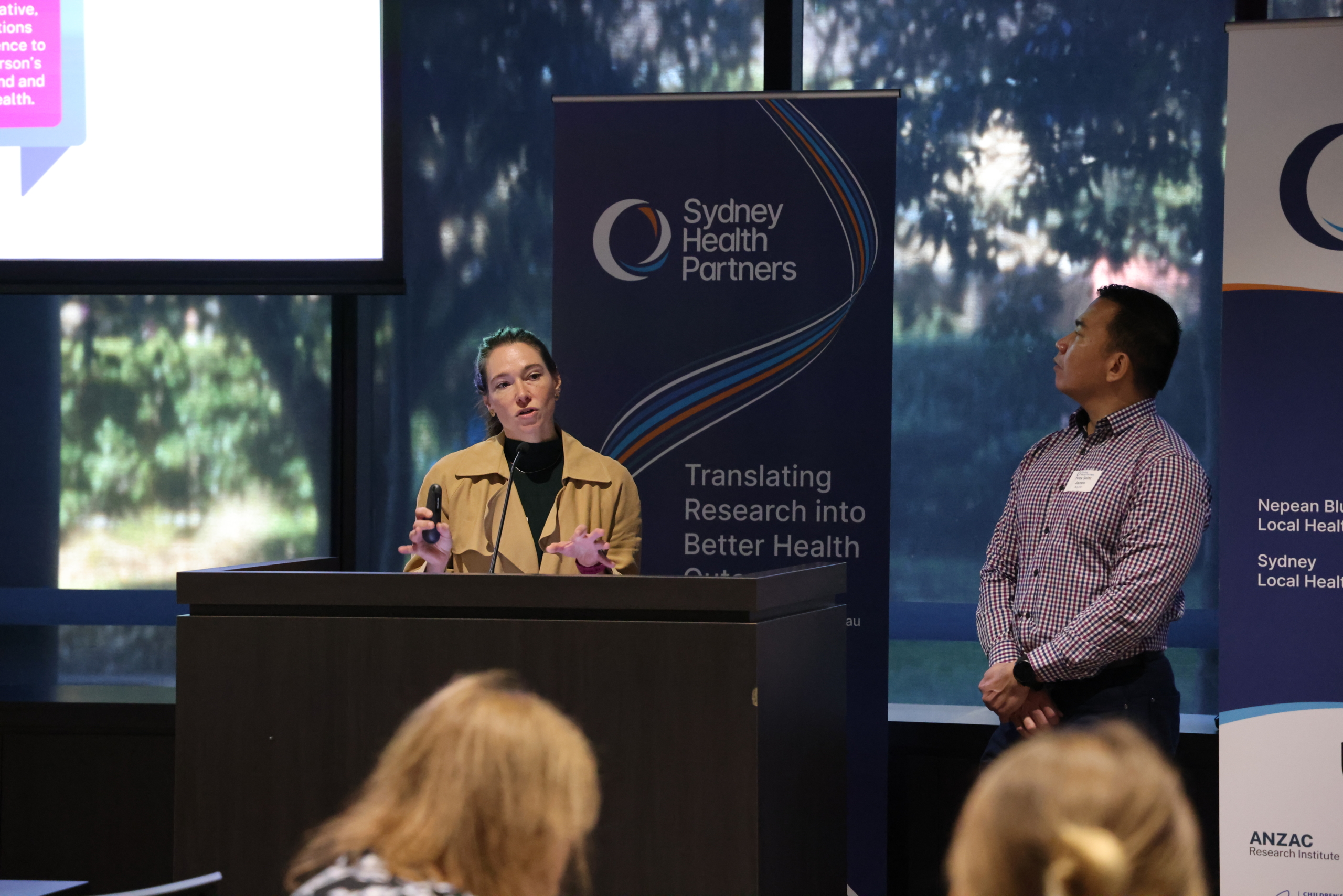
In the second session, Getting Onboard the AI Express Train, Dr Julie Ayre from the University of Sydney’s Sydney Health Literacy Lab and Dr Yves Saint James Aquino from the Australian Centre for Health Engagement, Evidence and Values at the University of Wollongong, led an engaging discussion on what it means to be ‘AI literate’.
They began by highlighting the persistent challenges to health literacy with national data showing that up to 60% of Australians have low health literacy levels. They also stressed the need for health services to do better in providing more accessible health information, illustrated by recent research – an umbrella review of 24 major reviews into health materials – which found that readability levels across a wide range of health materials failed to meet health literacy guidelines and had not improved over the past 20 years.
Dr Julie Ayre recommended that while AI-enabled tools can better support clear communication and informed decision-making, it’s important for health services to ensure transparency to reduce the burden consumers currently face in trying to understand how the technology works, how it uses data, and what this means for the quality of its health information.
With AI often operating unseen, health services need to be upfront about how they are using the technology, particularly for patient care, and use AI to make health communication more inclusive and accessible.
Dr Julie Ayre, Sydney Health Literacy Lab
Speed partnering sparks new collaborations
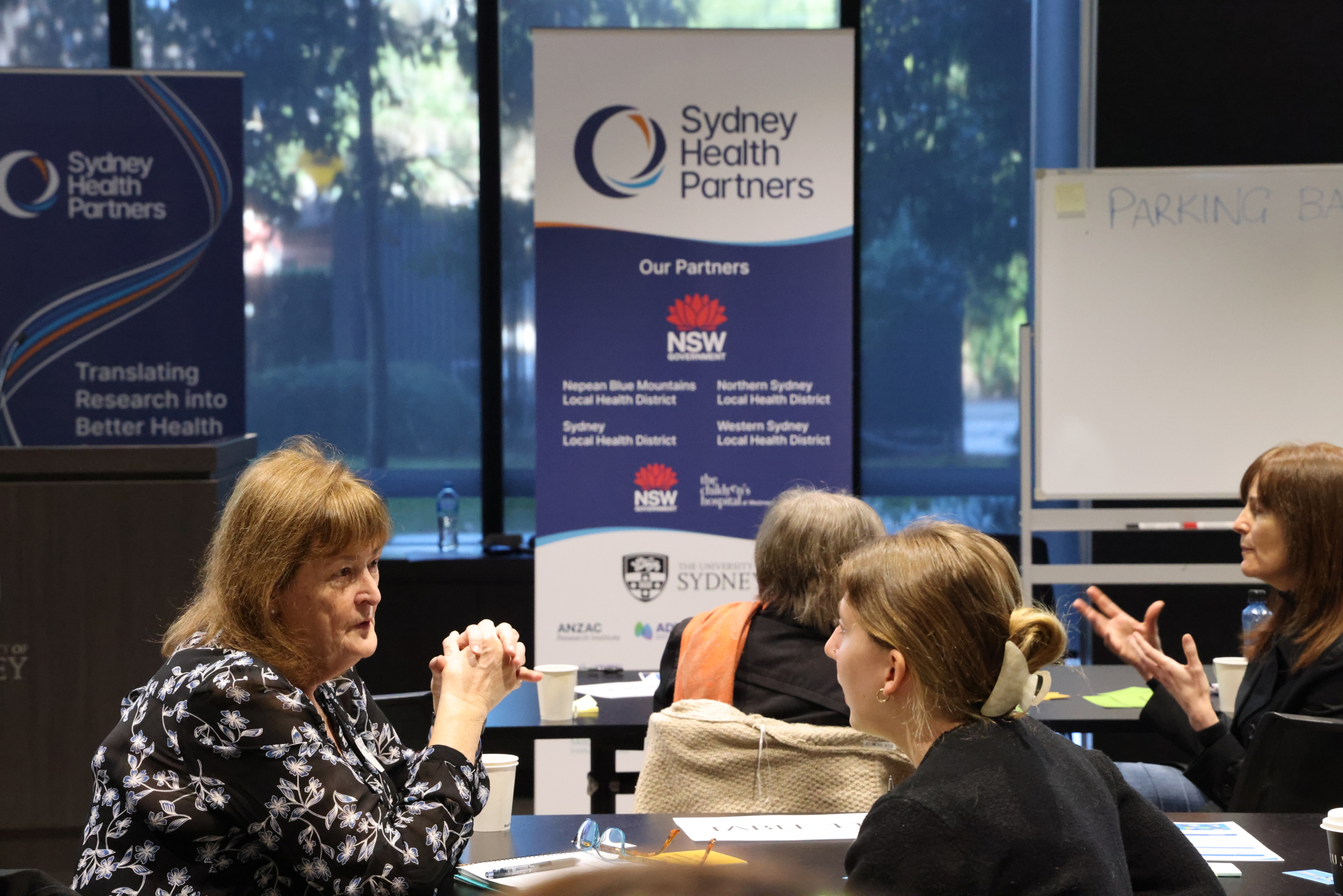
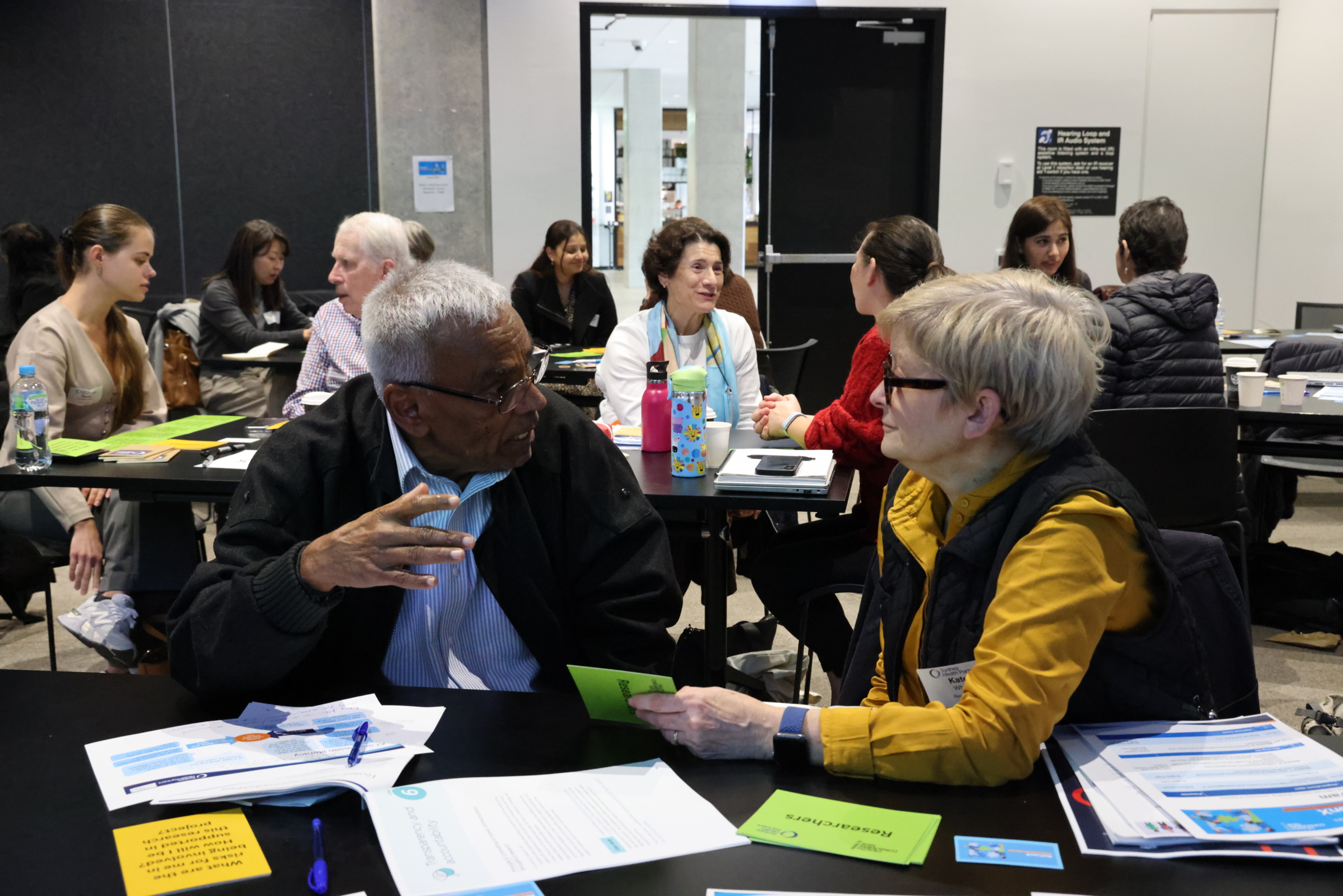
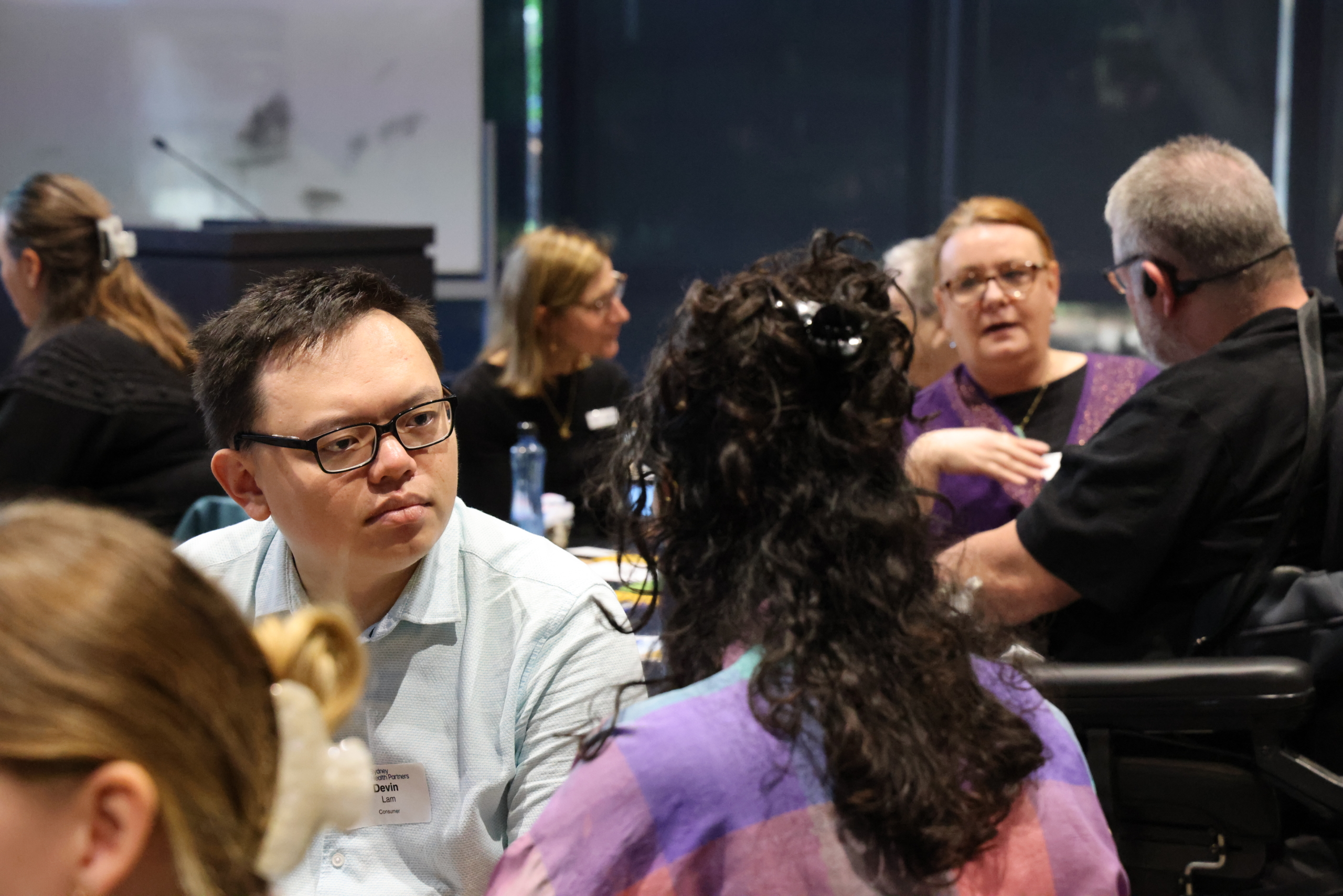
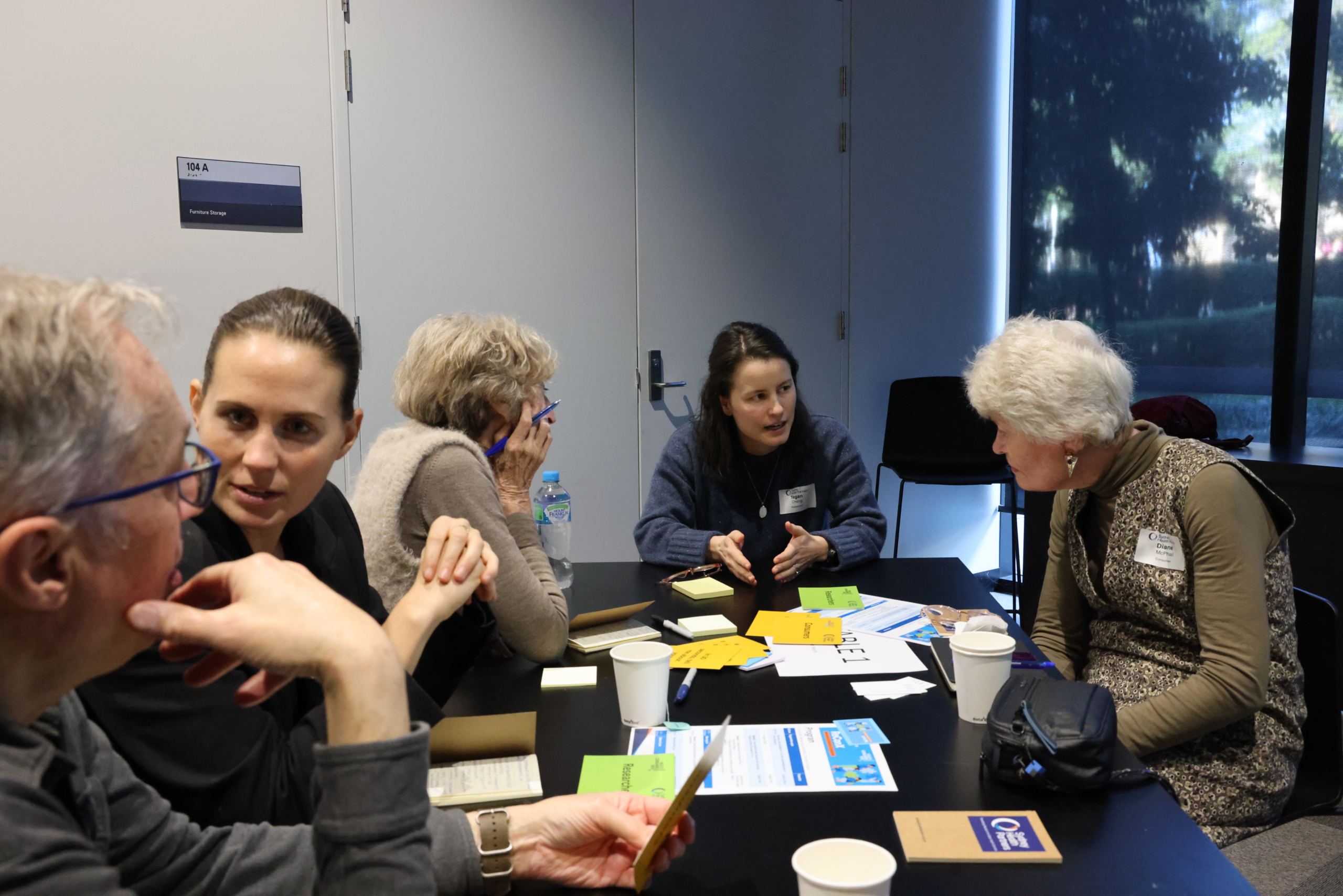
The workshop concluded with a highly anticipated Speed Partnering session, offering structured, one‑on‑one conversations between researchers and consumers led by Carrie Hayter and Health Consumers NSW’s Julia Brockhausen.
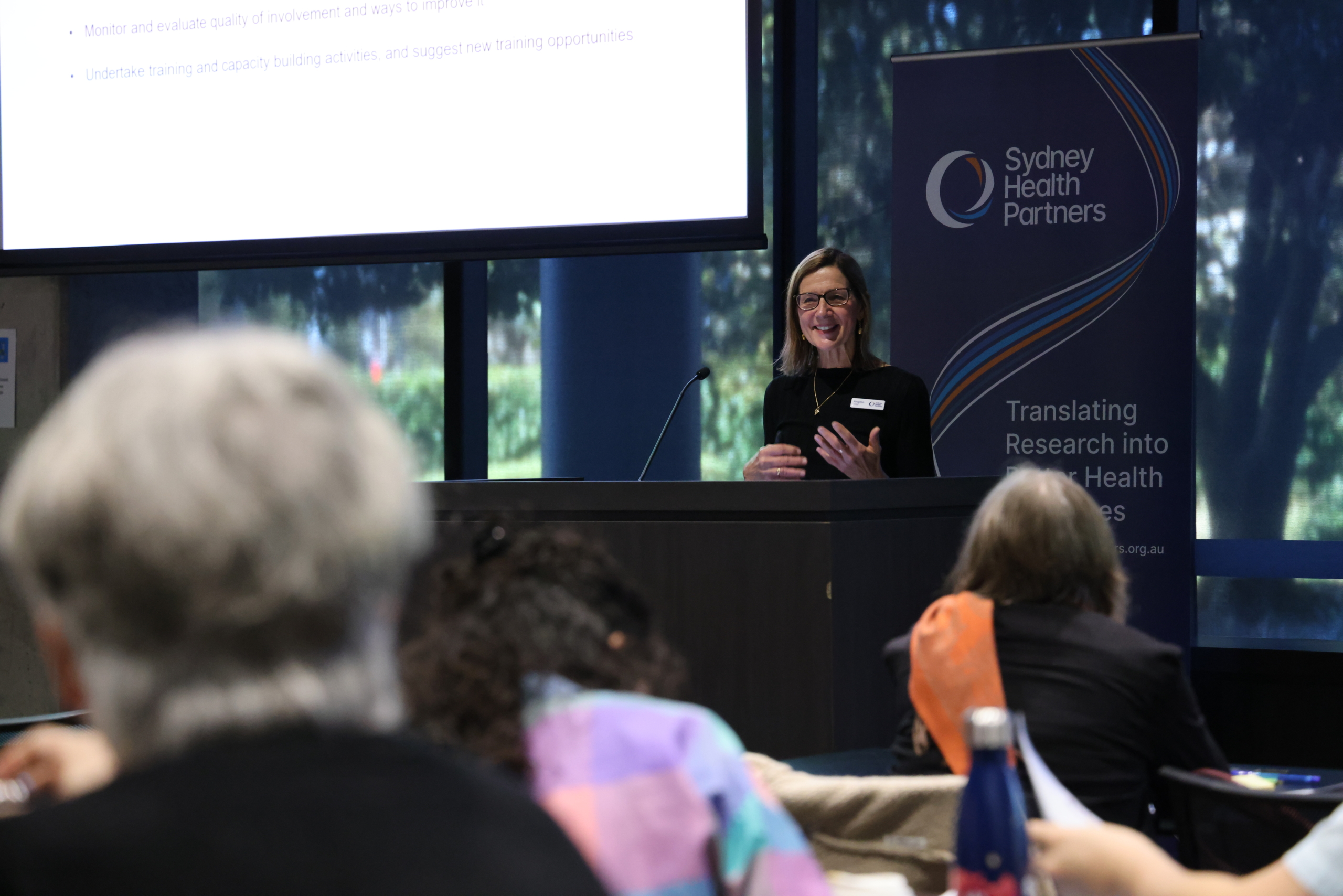
Angela Todd, Sydney Health Partners’ Research Director says the format helped break down barriers, foster understanding, and create a clear pathway for ongoing engagement and partnership development.
“We were keen to create a safe, unique place for researchers and consumers to connect and explore if they might like to partner with each other in research. Judging by the buzz in the room, and the comments from our guests, I think we achieved that,” added A/Professor Todd.
For those that missed out on the day, you can browse Sydney Health Partners’ resources on consumer-researcher partnerships and AI in research on the Knowledge Hub.