

Sydney Health Partners 2026 Annual Award Recipients
A highlight of this year’s Annual Forum was the presentation of the Sydney Health Partners 2026 Annual Awards.
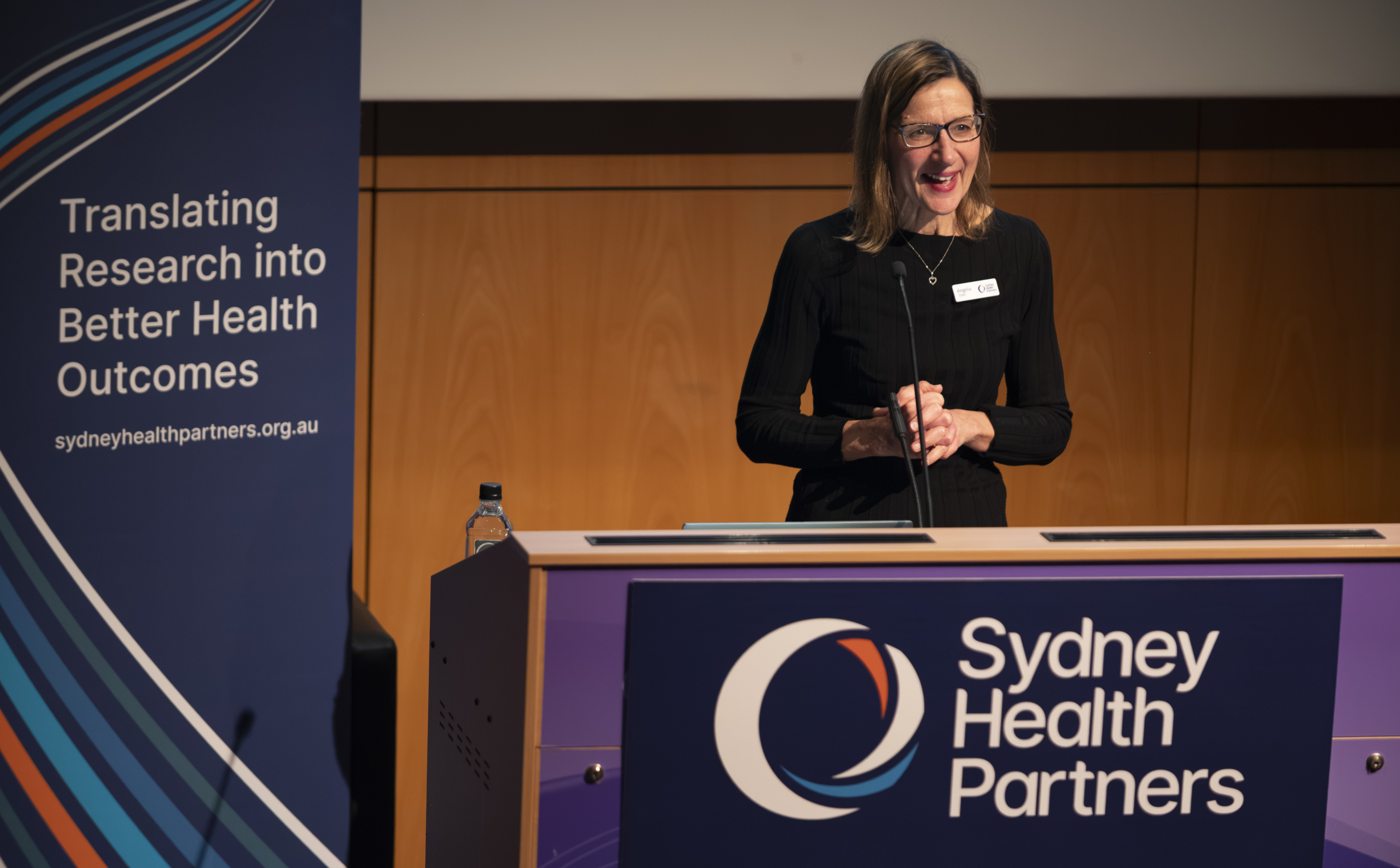
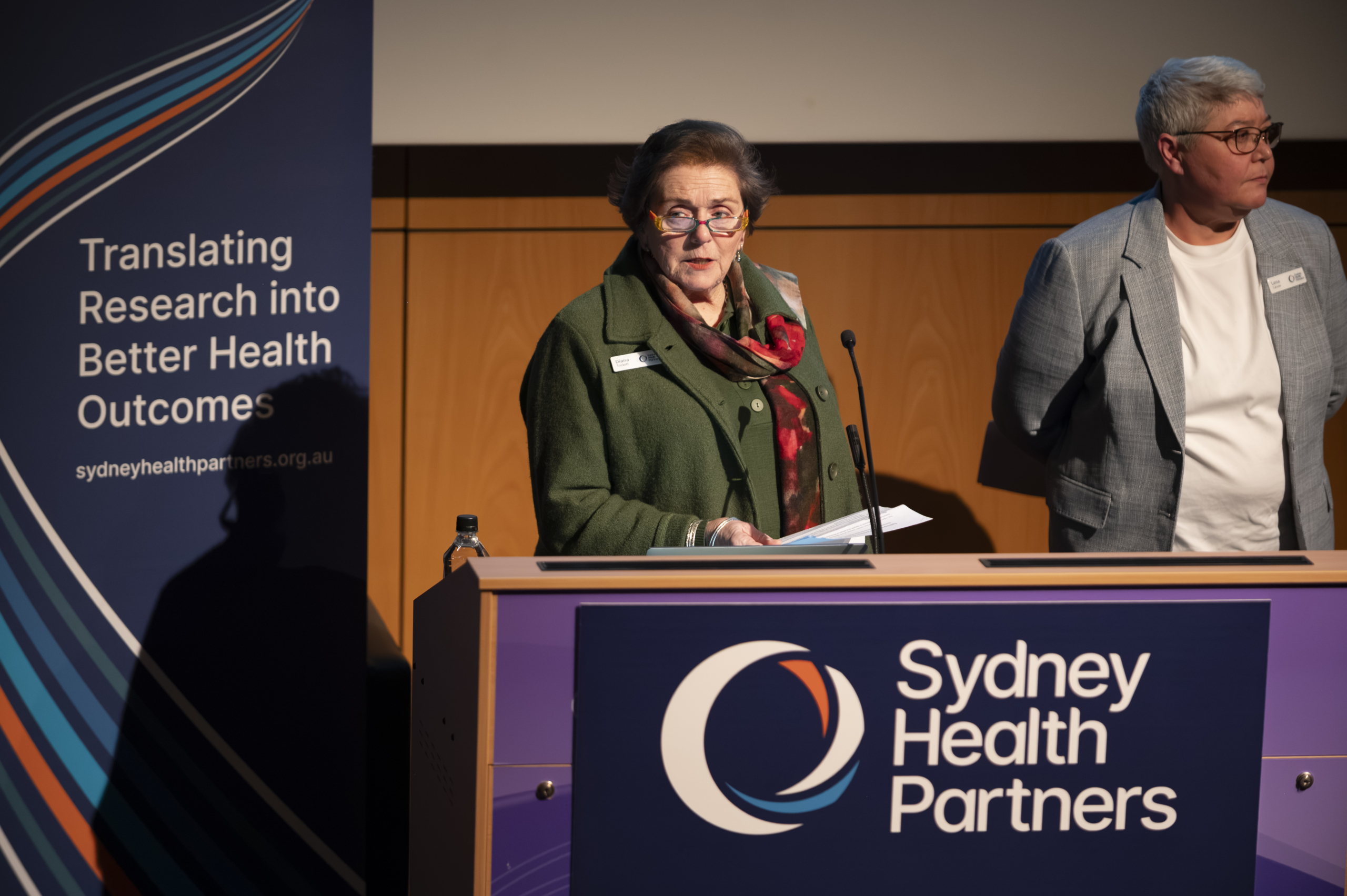
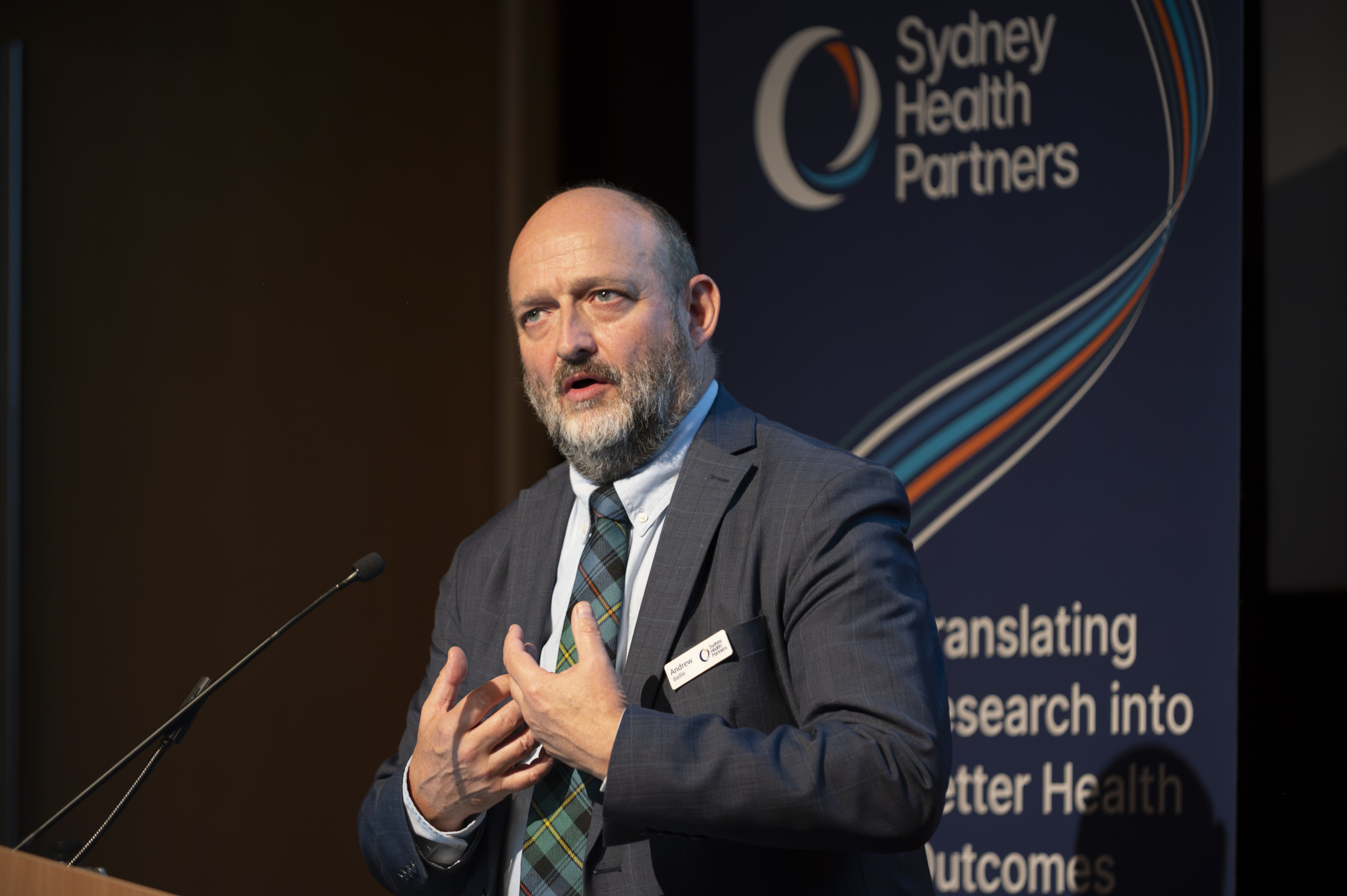
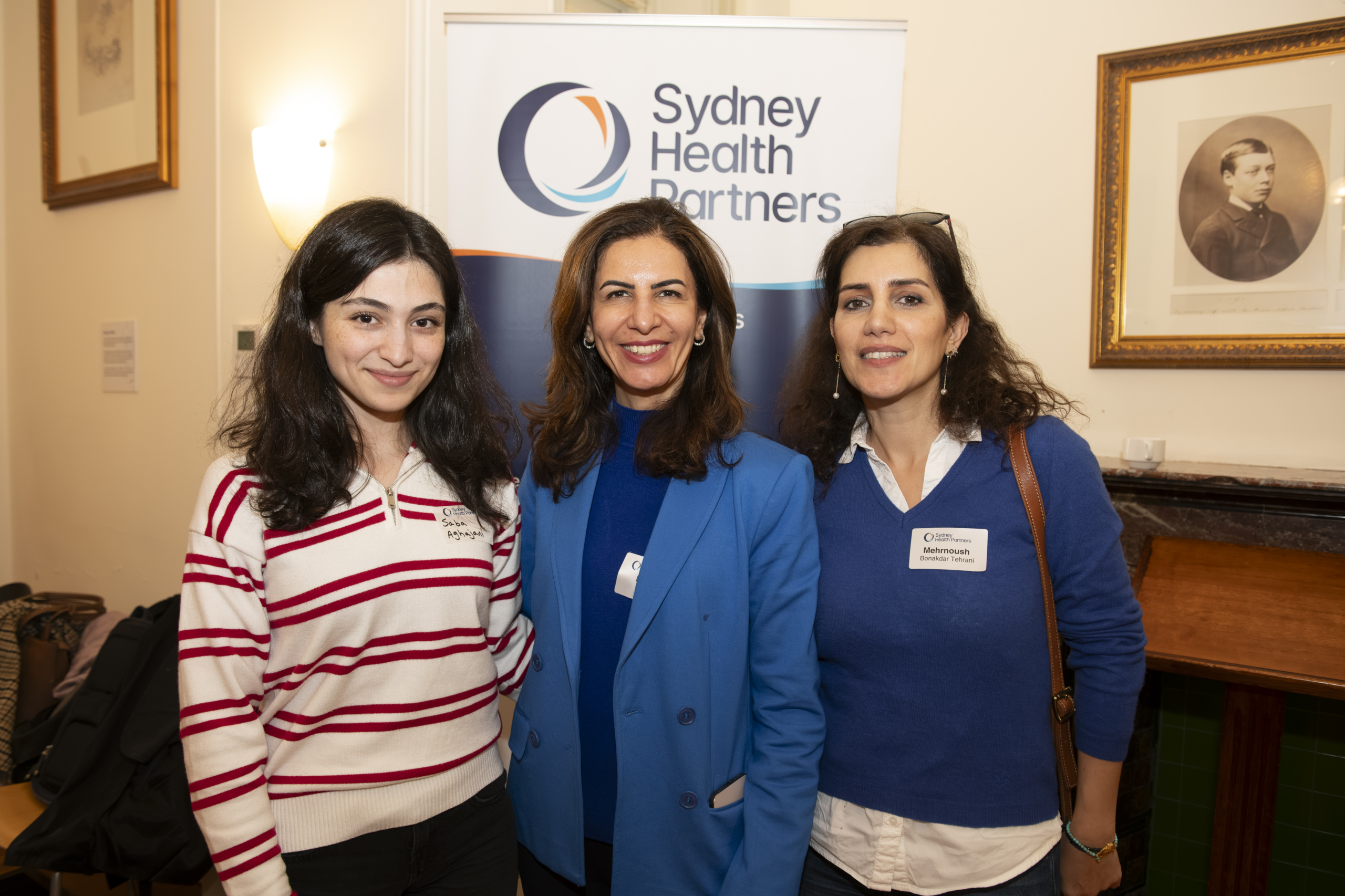
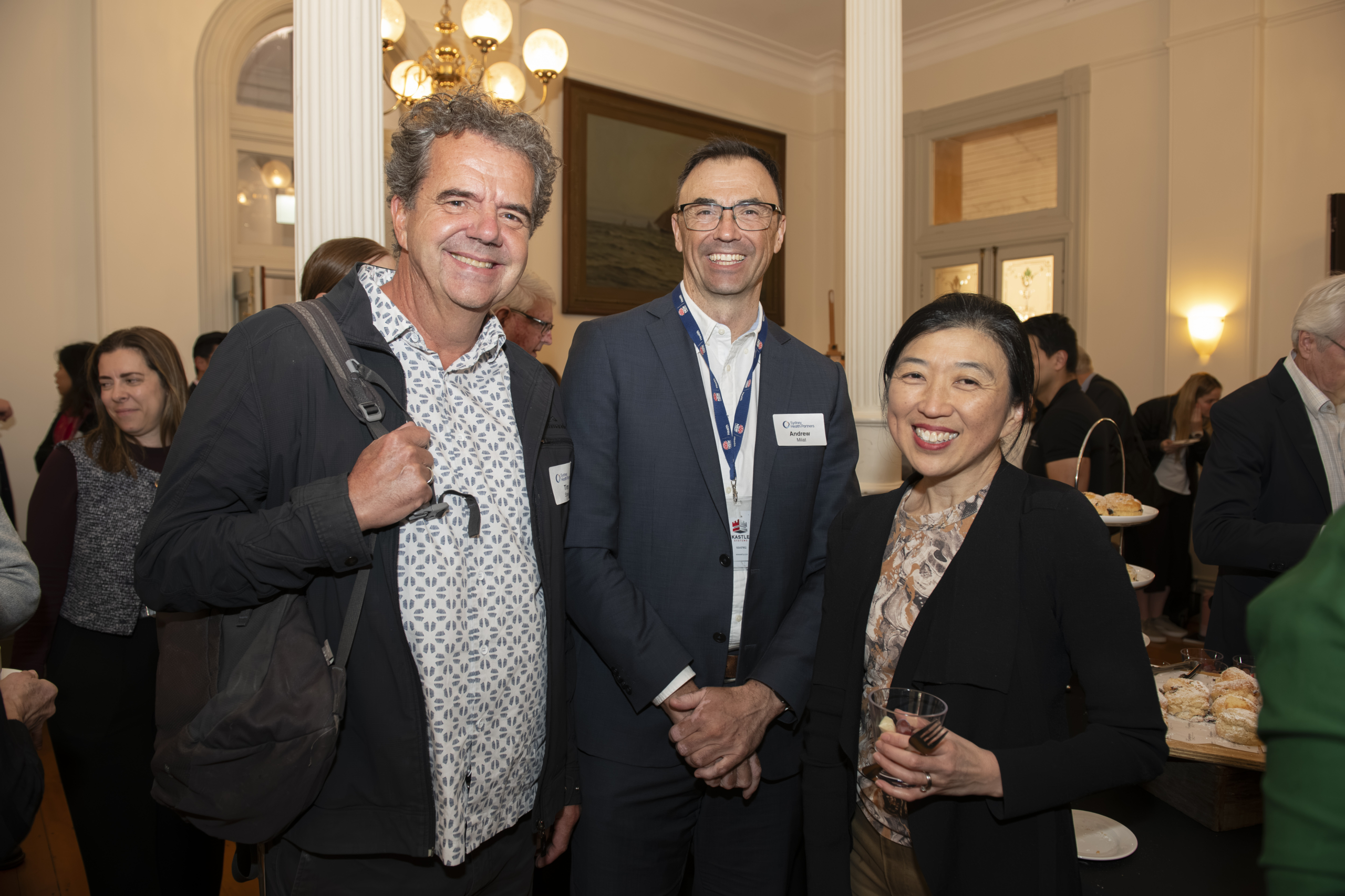
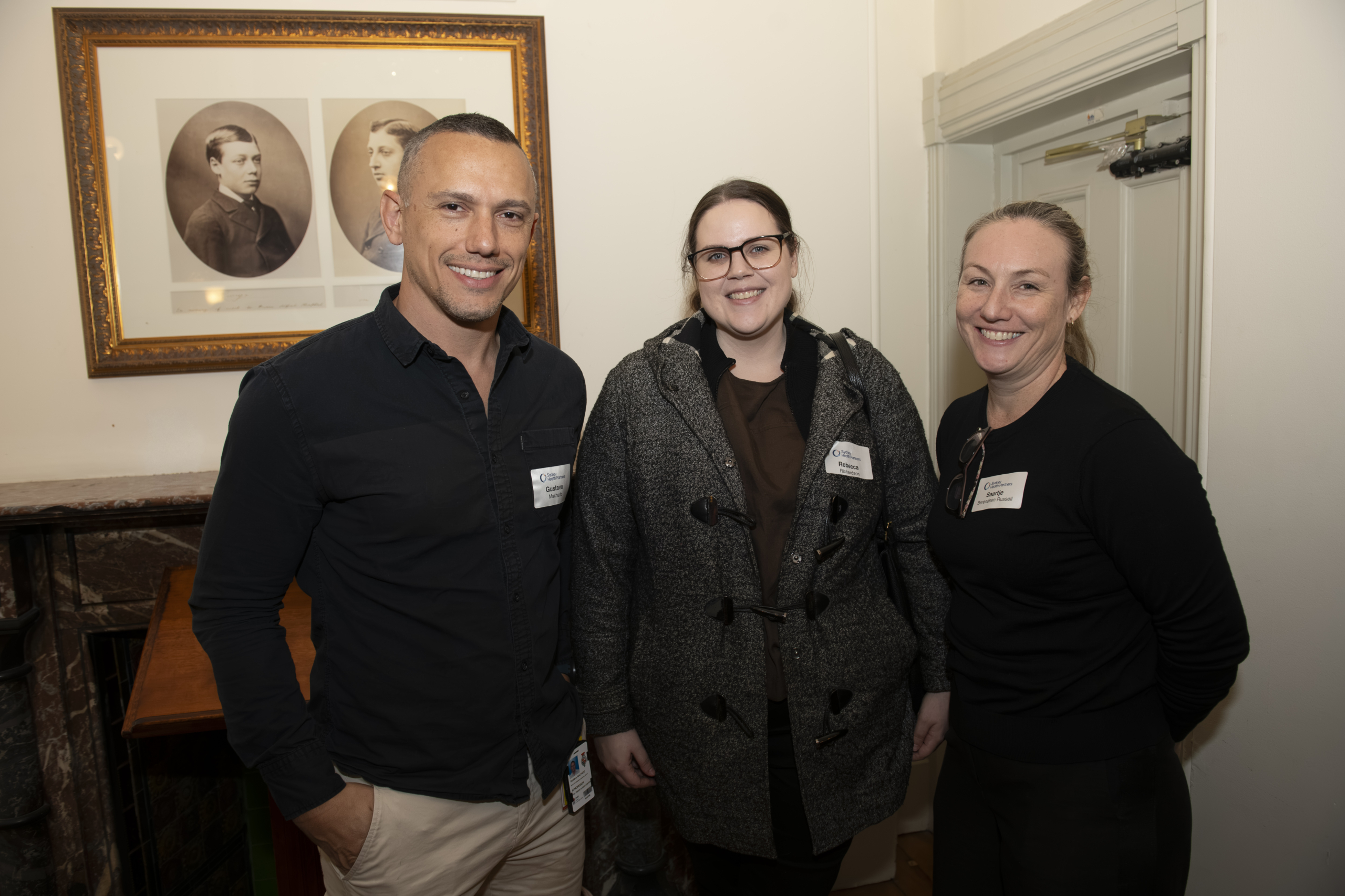
More than 150 healthcare leaders, researchers, clinicians, educators and consumers gathered for the Sydney Health Partners (SHP) 2026 Annual Forum to explore this year’s theme, “Research that matters. Impact that lasts.”
The Forum provided a platform for robust discussion on some of the most pressing challenges facing our health system, from workforce sustainability and clinician-researcher career pathways to ensuring research remains closely aligned with healthcare priorities and the needs of patients and communities.
The event underscored a shared commitment to strengthening connections across SHP’s communities and with health services, universities, government and consumers beyond the partnership, ensuring research delivers meaningful, lasting impact.
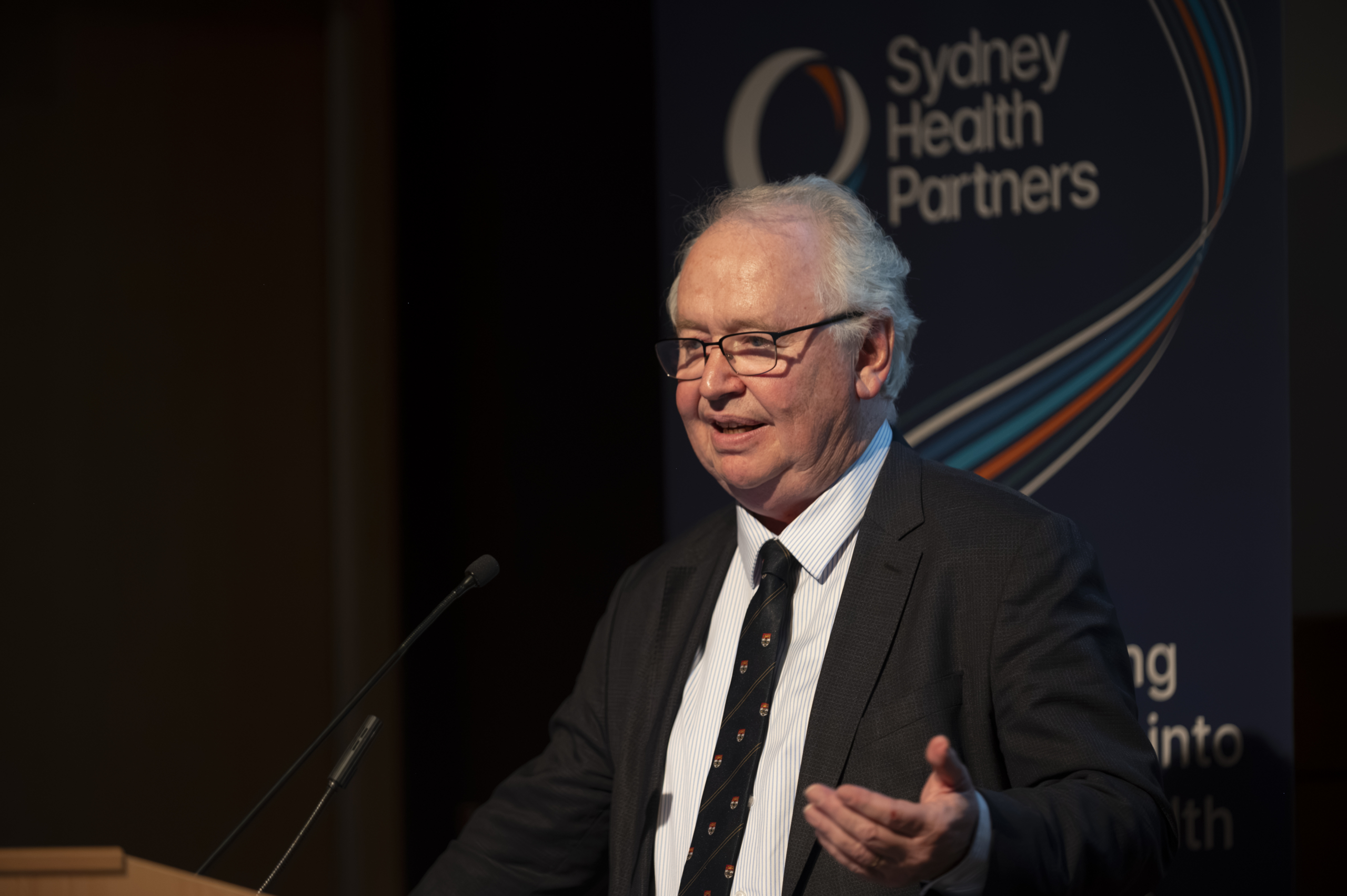
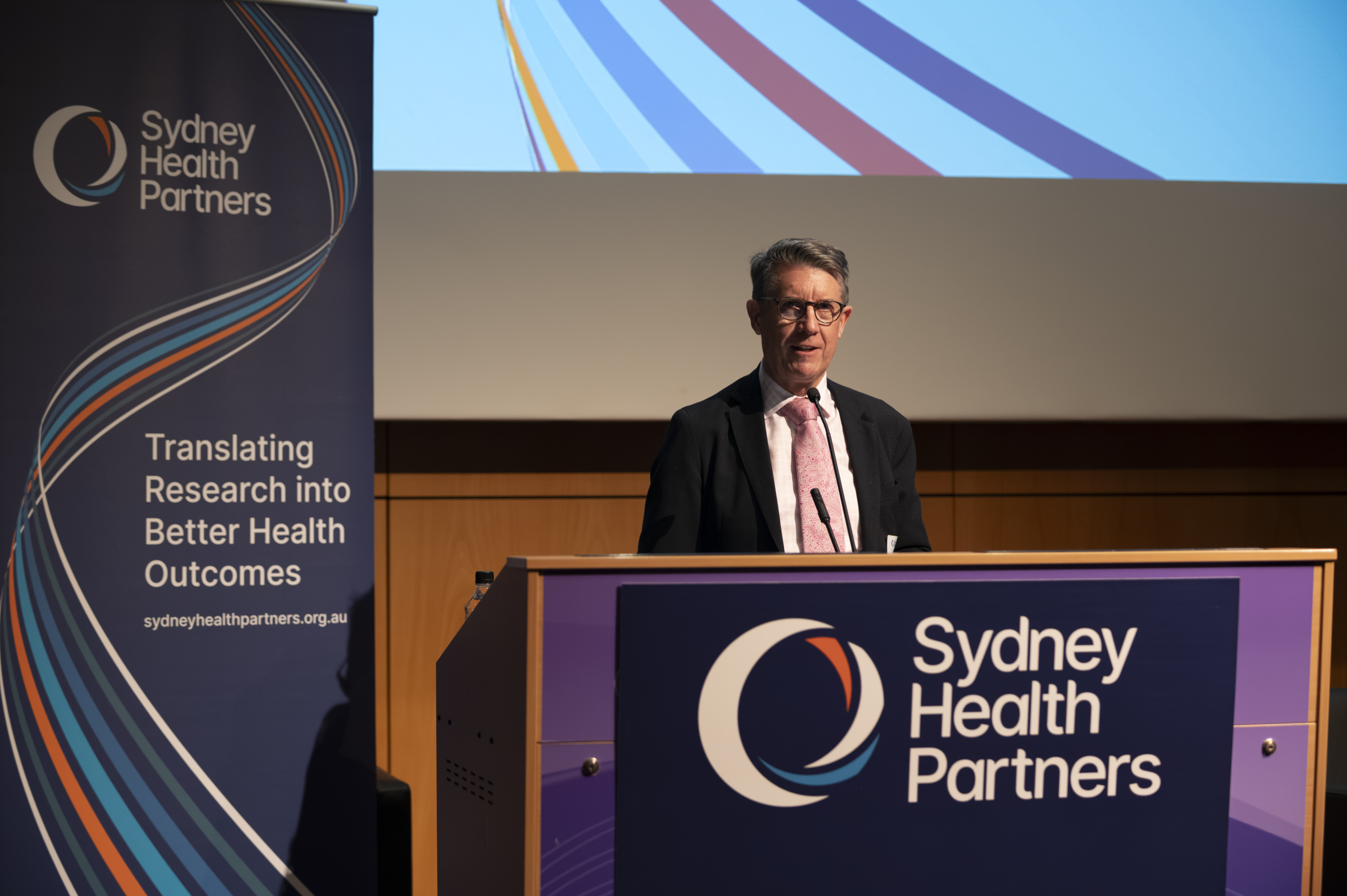
In his opening keynote address, Adjunct Professor Michael Nicholl, Chief Executive of the Clinical Excellence Commission (CEC), challenged healthcare leaders to rethink traditional approaches to organisational change, contending that increasingly complex healthcare systems require more adaptive, collaborative and human-centred models of improvement.
While acknowledging the success of structured and programmatic initiatives such as NSW Health’s Between the Flags and Sepsis Kills programs, he noted that healthcare organisations must now also embrace “generative change”, where leadership emerges through collaboration, learning and a common purpose.
Drawing on concepts from resilient healthcare and systems thinking, Professor Nicholl highlighted the need for leaders to create environments where staff can experiment, learn and contribute new ideas. He emphasised that curiosity, adaptability and collaboration will become increasingly important leadership capabilities as healthcare systems respond to rapid advances in artificial intelligence, data analytics and evolving models of care.
A strong theme throughout the presentation was the importance of data and technology as enablers of improvement. Professor Nicholl spoke about the growing role of near real-time and predictive data in supporting proactive decision-making, and highlighted the need to improve data access and literacy across the workforce.
The session reinforced the value of combining evidence-based improvement methods with adaptive leadership, collaborative networks supported by organisations like SHP, and data-driven decision-making to support system-wide transformation across NSW Health.
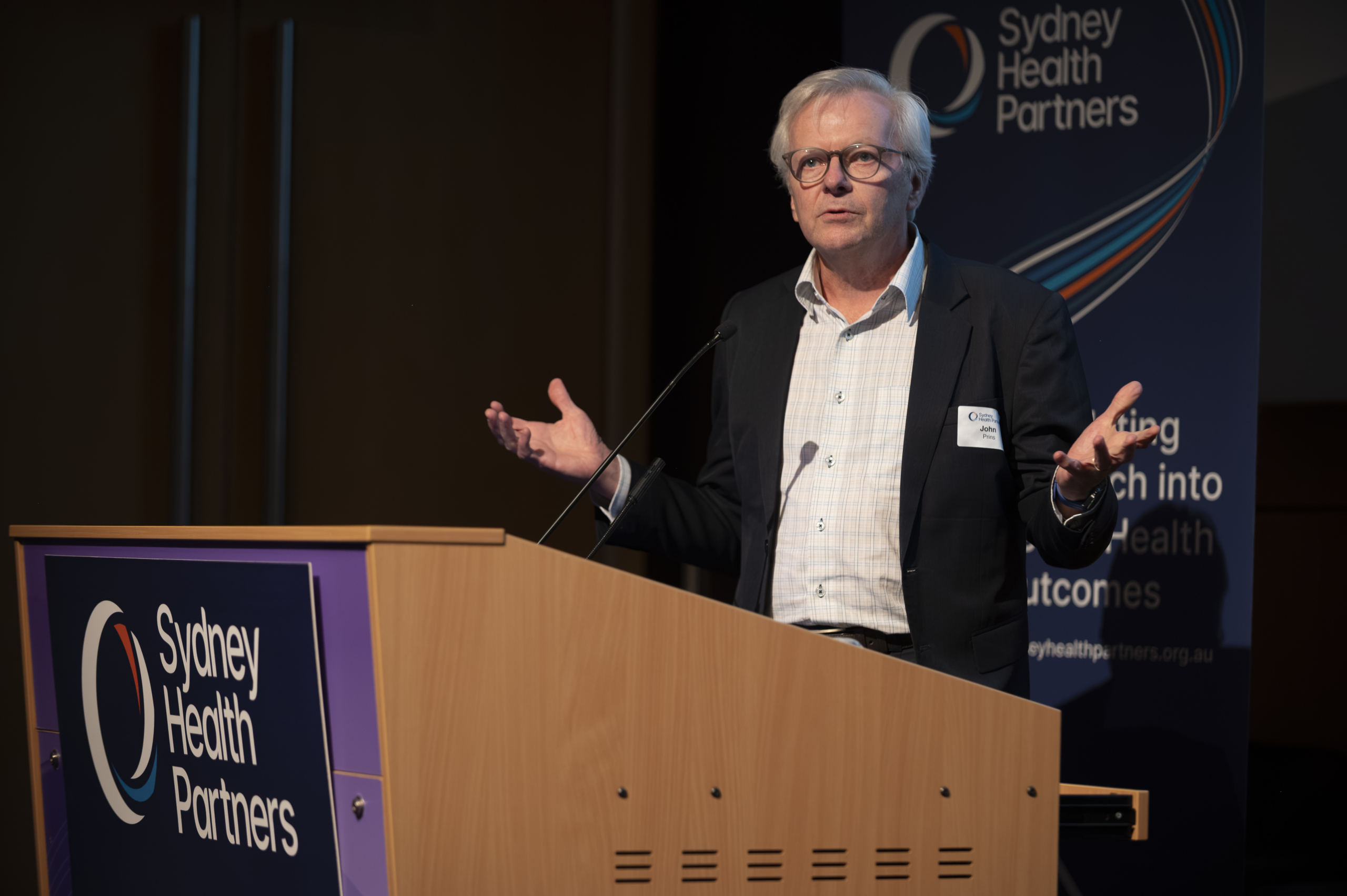
The second keynote address, Health Workforce Issues: Potential Ways Forward, was delivered by Professor John Prins, Dean of the Faculty of Medicine and Health at the University of Sydney.
Professor Prins painted a clear picture of the workforce challenges confronting Australia’s health system, including persistent workforce shortages, health inequities, rising public expectations and inefficiencies in healthcare expenditure. He emphasised that meaningful reform will require stronger collaboration between the health, education, government and research sectors, as well as strong clinical-academic partnerships.
He also challenged traditional assumptions about health professional education, raising questions about whether traditional training models remain fit for purpose and whether greater emphasis should be placed on upskilling existing health professionals throughout their careers.
Professor Prins outlined opportunities to explore innovative workforce models, including expanded roles for nurse practitioners, physician assistants, healthcare assistants and care navigators. He also discussed the importance of addressing the decline of clinician-researchers and strengthening clinical-researcher partnerships.
Professor Prins identified strengthening rural training pathways and investing in regional research capability as areas for improvement to meet the needs of regional, rural and remote communities. His message was clear: a more integrated, equitable and innovative approach to workforce development is required to meet the healthcare challenges of the future.
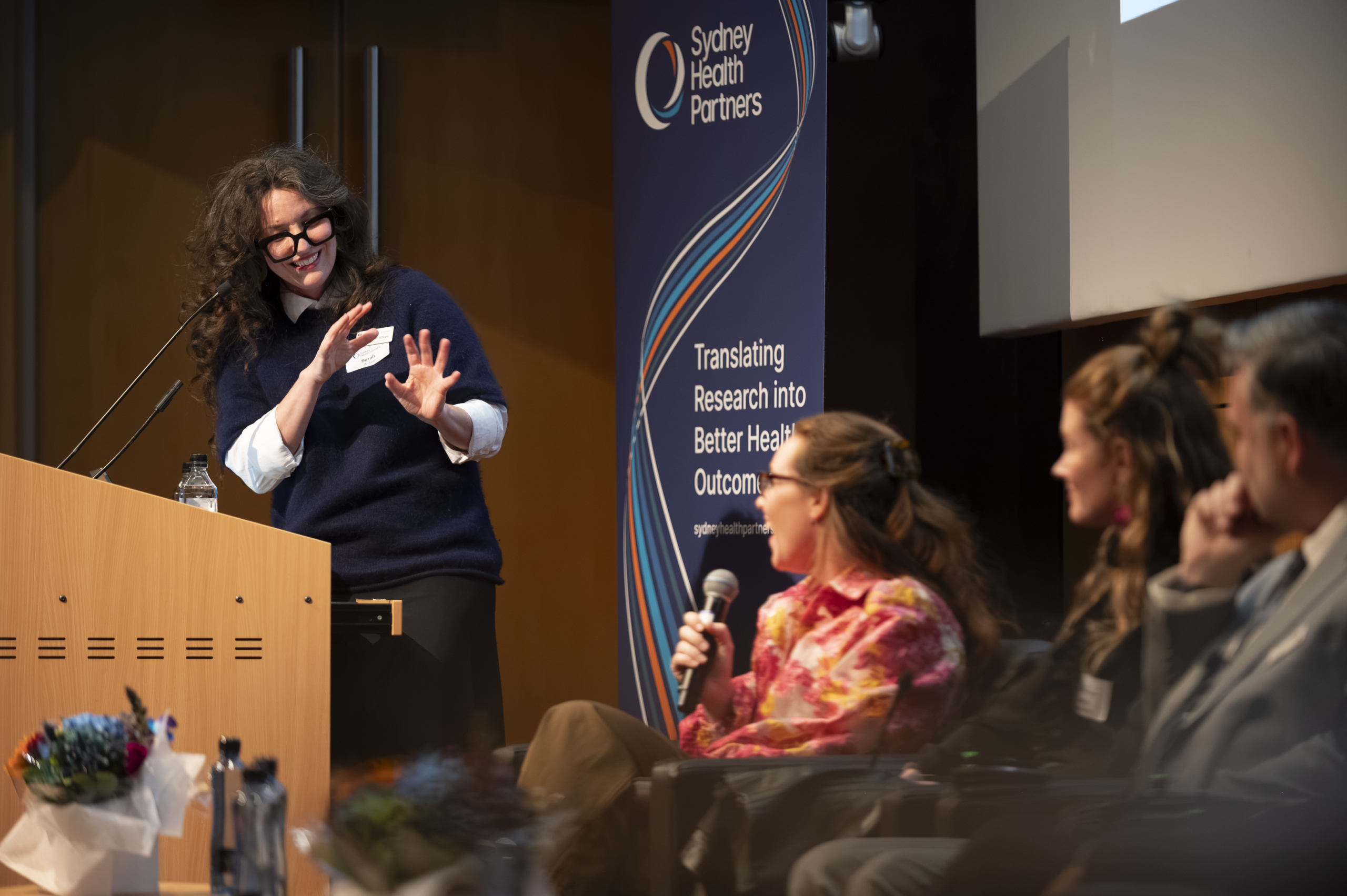
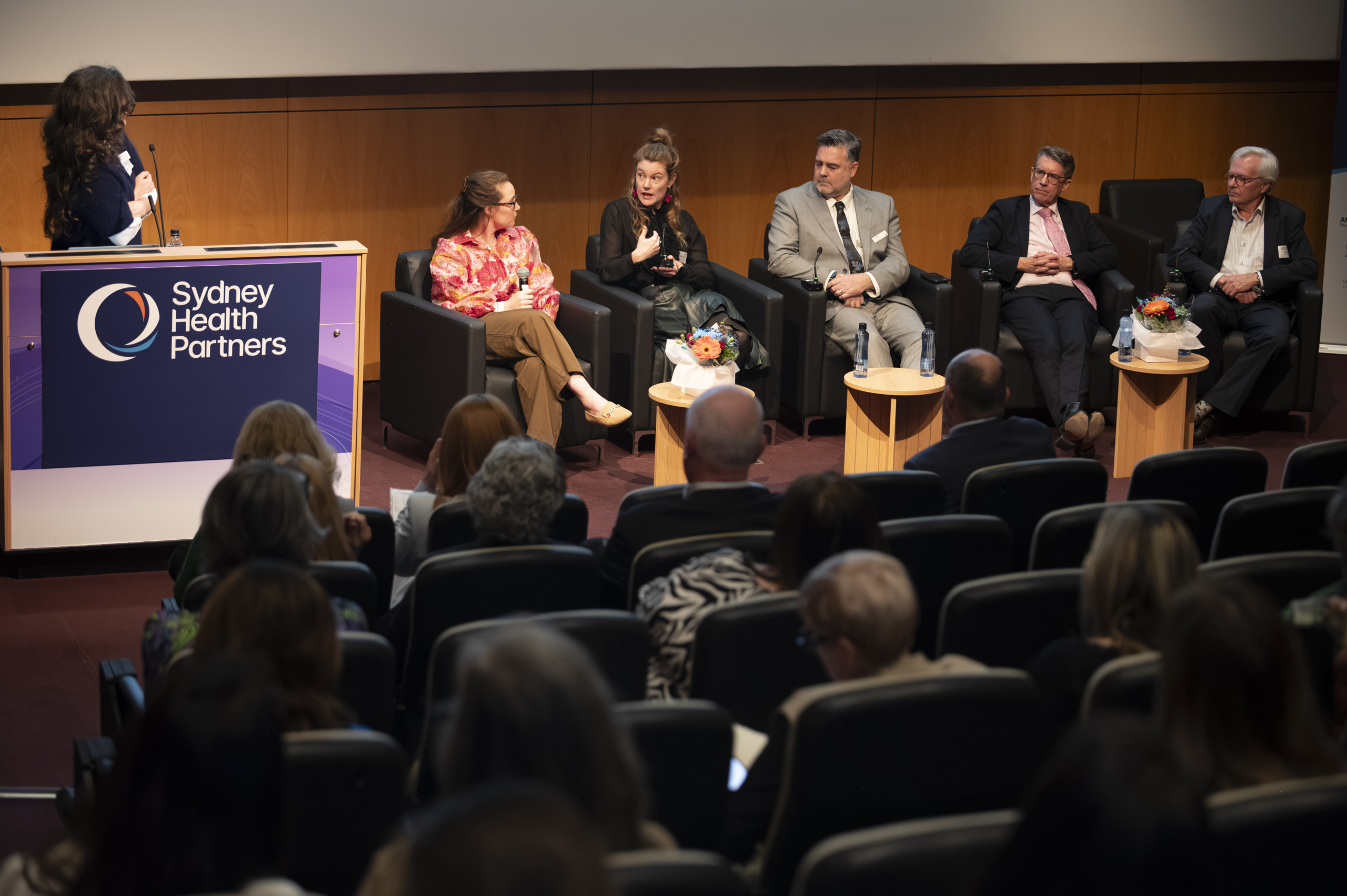
A panel discussion chaired by Associate Professor Sarah Aitken brought together leaders from health, research and education sectors to examine what is needed to create stronger pathways for clinicians and healthcare professionals to become research leaders.
Panellists included: Professor John Prins; Professor Peter Hockey, Executive Director, Quality and Safety, Western Sydney Local Health District (LHD); Richard Griffiths, Acting Chief Executive, Health Education and Training Institute; Dr Kelly Thompson, Director of Research Operations, Nepean Blue Mountains LHD; and Dr Elizabeth Machan, Senior Lecturer at the University of Sydney.
Discussion centred on the need for a deliberate, system-wide approach to developing the clinician-researcher workforce. Panellists agreed that while research is widely recognised as essential to improving healthcare, existing systems often fail to adequately support clinicians who want to pursue research careers.
A recurring theme was the challenge of balancing clinical responsibilities with research activity. Lack of protected research time and insufficient resources were consistently identified as the biggest barriers to clinician-researcher career development.
The panel also stressed that successful clinical academic careers do not emerge by chance. Instead, pathways must be intentionally designed, supported and scaled across all professions, including nursing, midwifery and allied health disciplines, which often face different workforce challenges to medicine.
Strong partnerships between health services, universities, governments and professional bodies were identified as essential for success. Panellists called for funding and governance reforms that support shared appointments and improved research infrastructure. Ensuring that research is aligned with health service priorities and focused on areas of quality and equity of access for patients and communities was emphasised throughout the discussion.
Importantly, panellists noted that success should not be measured solely by the number of clinician researchers. Building a broader, research-literate workforce was seen as equally important in improving patient outcomes and supporting evidence-based care.
The discussion concluded with a shared vision of a health and university ecosystem built on genuine partnership, workforce planning, integrated research support and collaborative problem-solving focused on real-world health challenges.
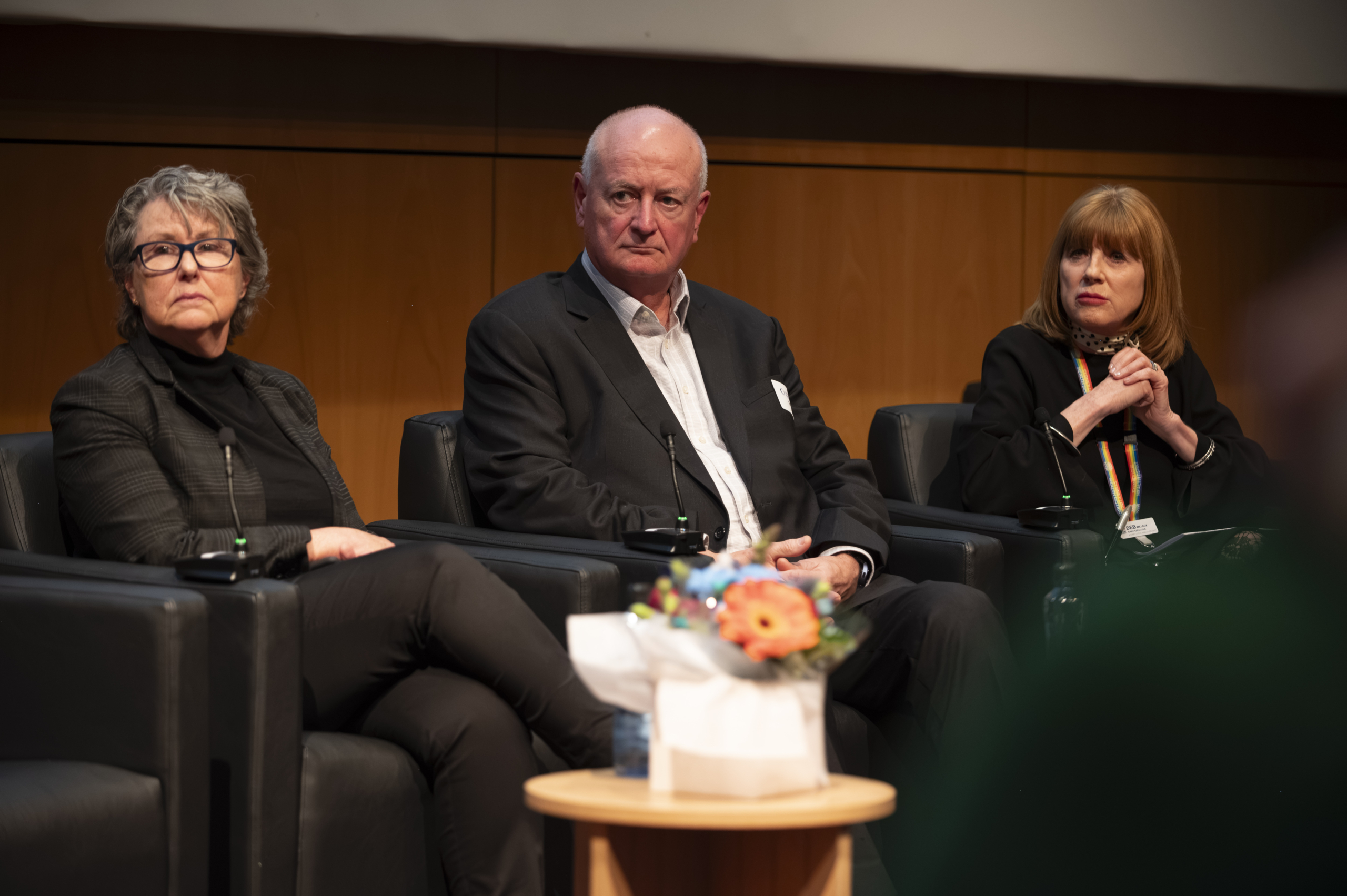
The Forum concluded with a panel discussion featuring three health service chief executives: Cathryn Cox PSM, Chief Executive of Sydney Children’s Hospitals Network; Brad Astill, Chief Executive of Nepean Blue Mountains LHD; and Deb Willcox AM, Chief Executive of Sydney LHD.
Exploring the theme Aligning Research with Healthcare Priorities, the panel examined how health services can ensure research delivers tangible benefits for patients and communities.
A key message was that impactful research begins with understanding the needs of patients, consumers and clinicians. Panellists emphasised the importance of ensuring that clinical priorities inform research agendas while research evidence, in turn, shapes clinical practice.
Strong partnerships emerged once again as a central theme. The panel highlighted the value of collaboration across organisations and disciplines, with consumer advisory groups such as SHP’s Consumer Advisory Panel recognised as a powerful mechanism for ensuring research remains grounded in community needs.
Panellists also stressed the importance of focusing research effort where organisations have established strengths and capabilities. Priority areas identified for future investment included aged care, chronic disease prevention, Aboriginal and Torres Strait Islander health, rural and regional health, rare diseases and advanced therapeutics.
While acknowledging the significant progress made through initiatives such as SHP and its 15 Clinical Academic Groups, panellists also recognised the ongoing challenges posed by differing governance structures, funding models and organisational systems across the health and academic sectors
The discussion concluded with a strong call to keep patients at the centre of every partnership and decision, recognising that improved health outcomes provide the common purpose needed to overcome institutional barriers.
Across all sessions, a consistent message emerged: meaningful healthcare improvement depends on collaboration, adaptability and a shared commitment to translating research into practice.
Whether discussing workforce reform, clinician-researcher pathways, health system transformation or research priorities, speakers repeatedly emphasised the importance of breaking down silos and strengthening partnerships between health services, universities, researchers, governments and consumers.
As the Forum’s theme suggested, research achieves its greatest value when it addresses real-world challenges and delivers enduring impact. The conversations throughout the 2026 Sydney Health Partners Annual Forum demonstrated a collective determination to build a more connected, evidence-informed and equitable health system for the future.
A highlight of this year’s Annual Forum was the presentation of the Sydney Health Partners 2026 Annual Awards.