

New Resource
Trials Without Tribulations 2026 brings NSW clinical trials community together to strengthen research excellence
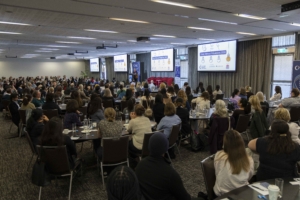
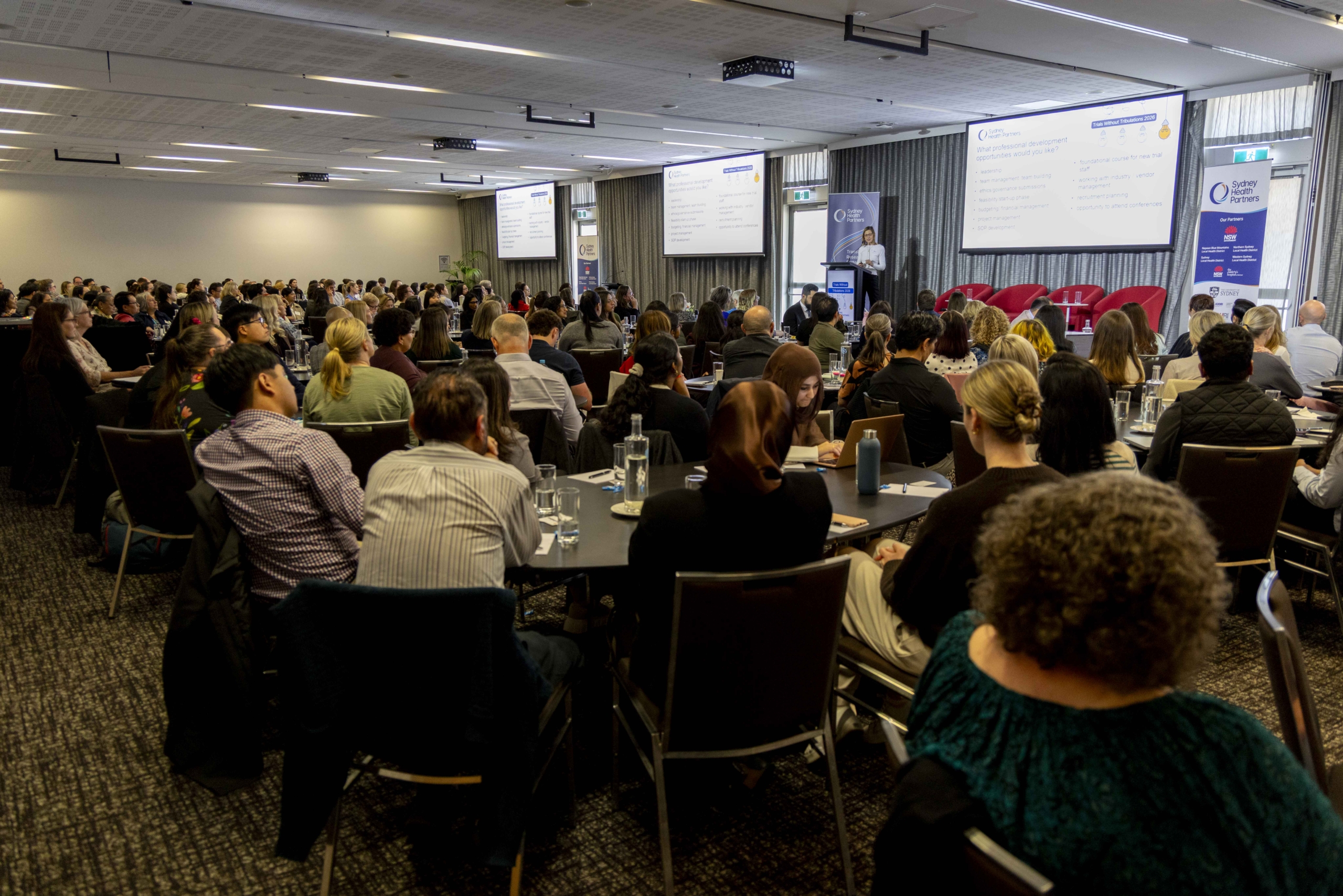
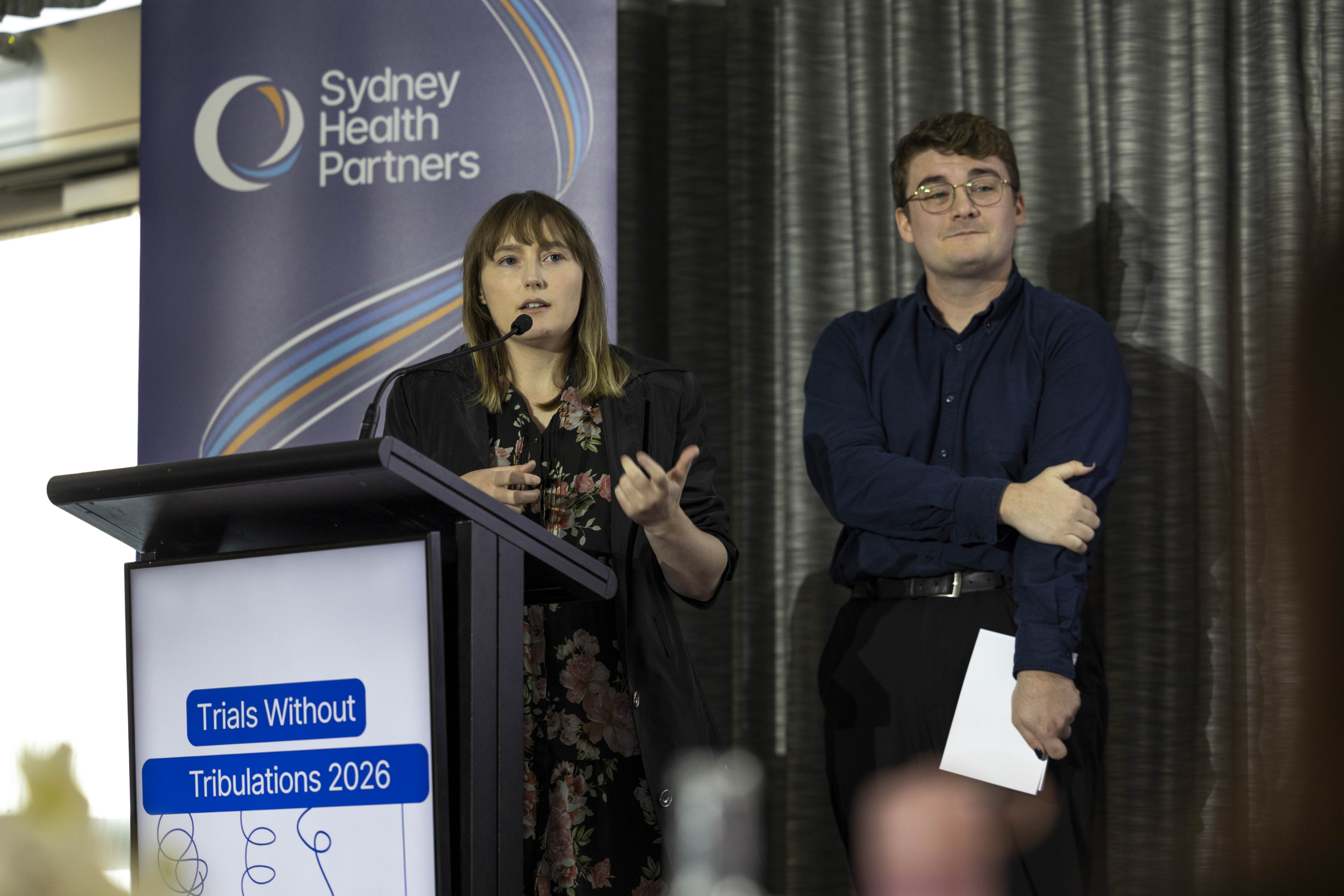
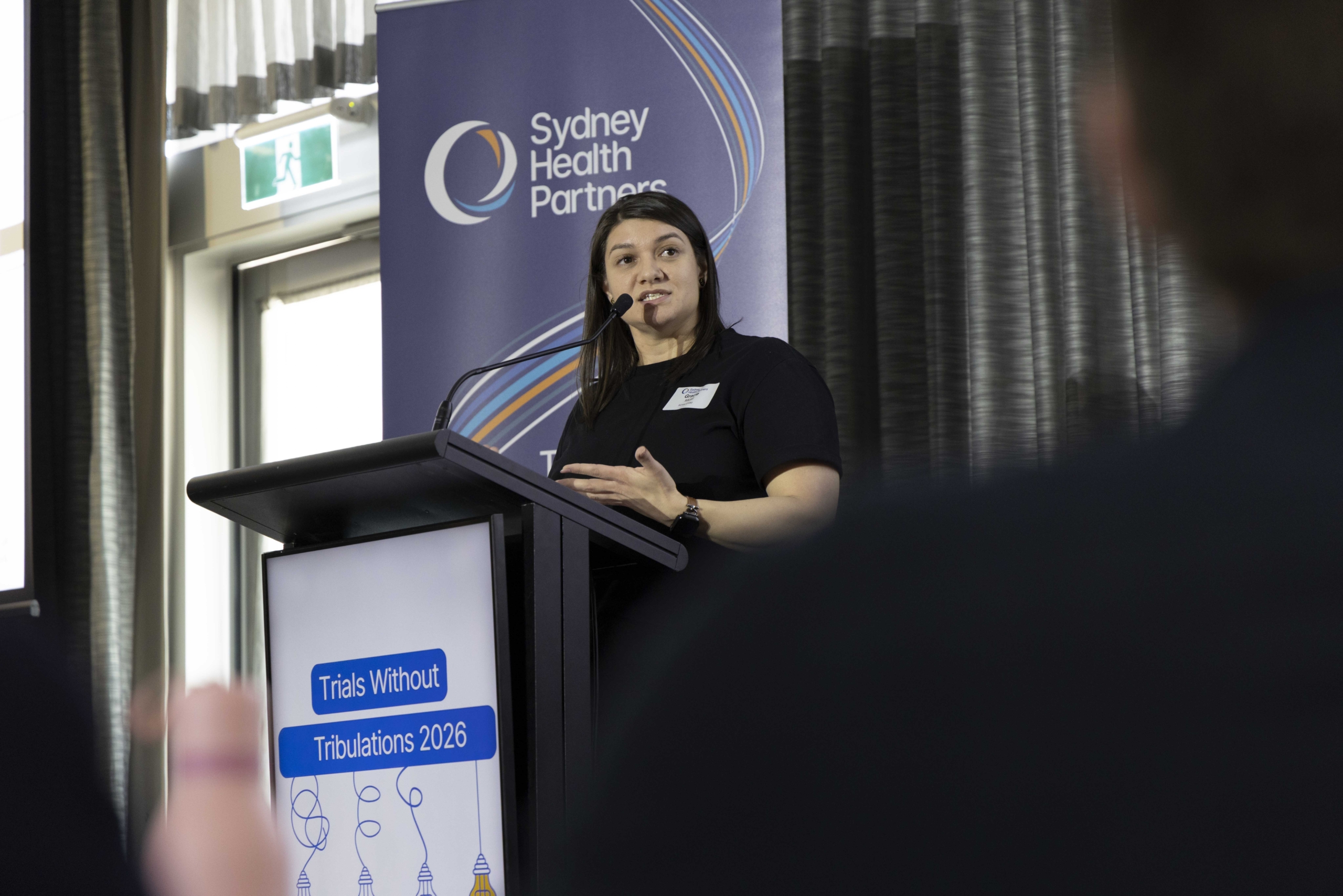
Over 260 clinical trials professionals from across New South Wales came together on 18 September for Trials without Tribulations 2026, a practical, solutions-focused workshop designed to support the clinical trial community and the successful delivery of clinical trials.
Published date:
The event was hosted by Sydney Health Partners (SHP) in collaboration with NSW Regional Health Partners and Maridulu Budyari Gumal, the Sydney Partnership for Health, Education, Research and Enterprise (SPHERE), with support from the NSW Government through the Office for Health and Medical Research.
Now in its fourth year, Trials without Tribulations 2026 has become a flagship professional development event for the NSW clinical trials workforce, bringing together researchers, coordinators, managers and health professionals to share knowledge, tackle common challenges and strengthen research capability across the state.
This year, the workshop expanded beyond SHP’s network for the first time, welcoming participants from health services and research organisations across metropolitan, regional and rural NSW resulting in a 60 per cent increase in attendees from last year’s event. Of the 264 attendees, over a third came from partner research translation centres SPHERE and NSW Regional Health Partners, as well as Southern NSW, Northern NSW and the Illawarra Local Health Districts.
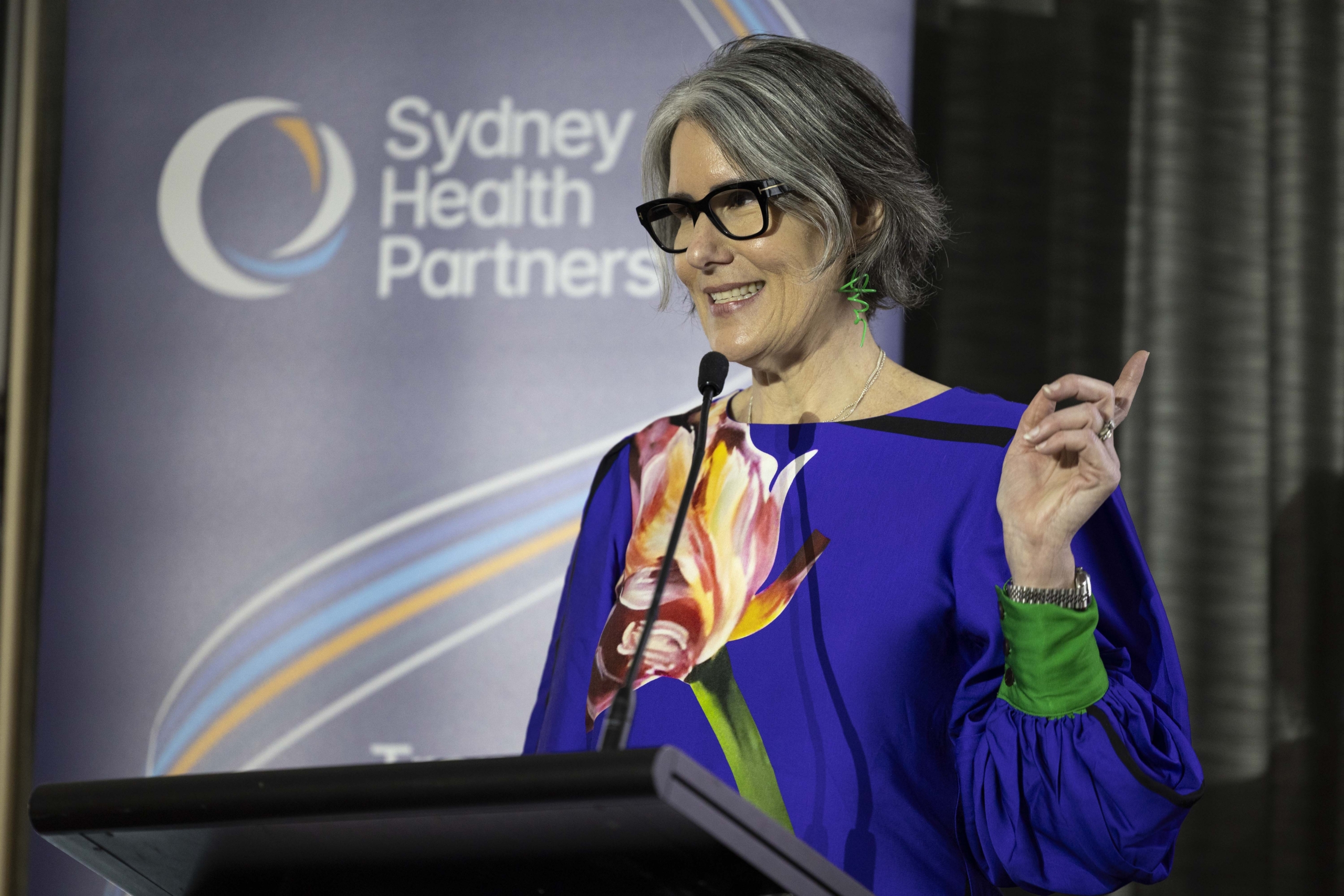
Associate Professor Angela Todd, SHP’s Research Director and Interim Executive Director, said the workshop had become an important forum for strengthening capability across the clinical trials sector.
Trials Without Tribulations provides a unique opportunity for clinical trials professionals to share practical experiences and learn from colleagues facing similar challenges.
Associate Professor Angela Todd, SHP’s Research Director and Interim Executive Director
“As clinical trials continue to evolve through regulatory reform, new technologies such as AI, and innovative models including decentralised and teletrials, collaboration and knowledge sharing are more important than ever.”
A survey conducted ahead of the event revealed a highly skilled workforce, with more than 70 per cent holding postgraduate qualifications and over half managing four or more clinical trials. Despite this expertise, respondents identified administrative burden, complex documentation requirements, limited career development opportunities and heavy workloads as ongoing challenges.
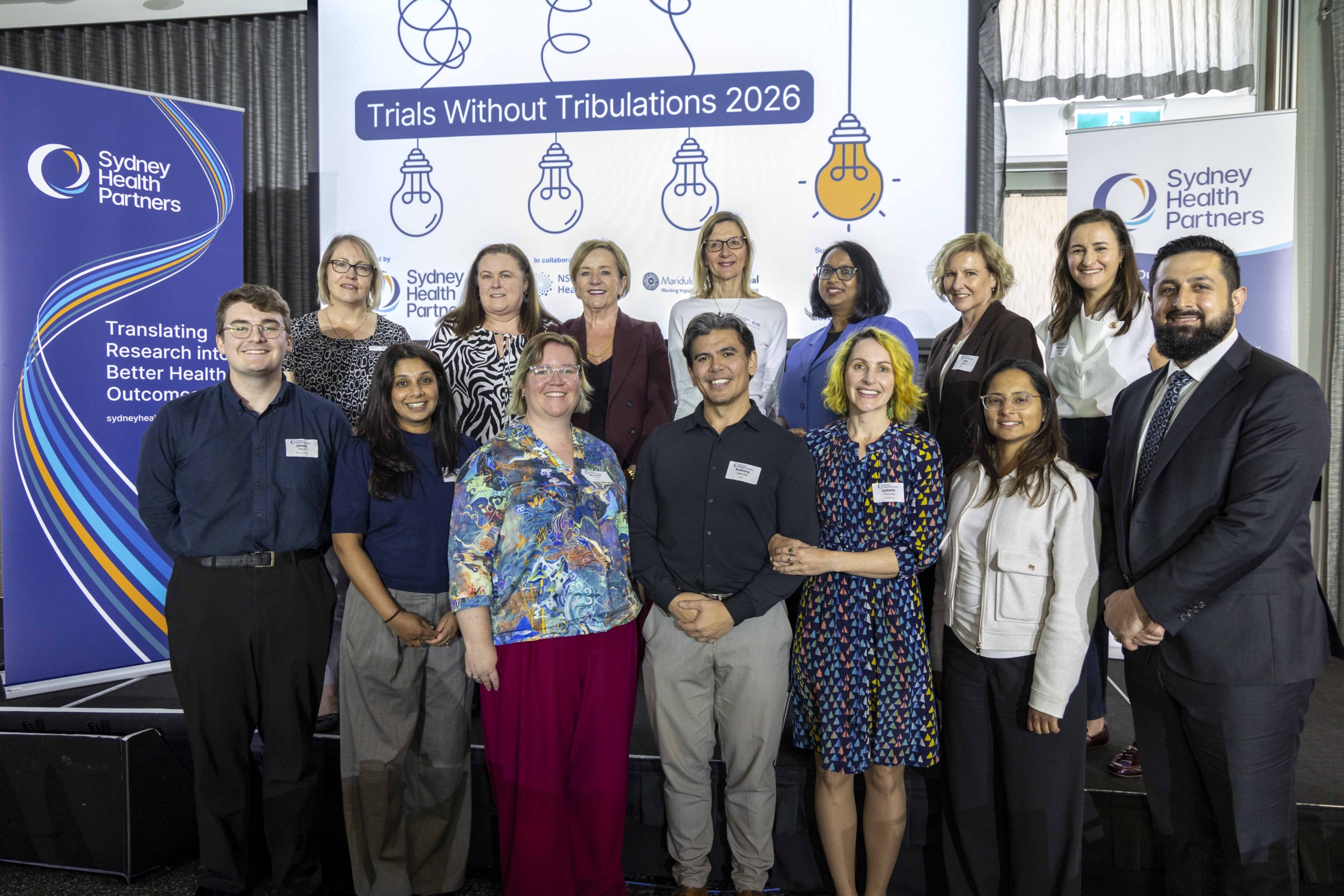
Developed by a 17-member Scientific Advisory Group with representatives from across NSW, the program featured expert presentations, panel discussions and interactive sessions designed to address these issues and support workforce development.
Participants heard updates on national and NSW research strategies, progress toward a national ethics and governance platform (the National One-Stop Shop), and reforms within NSW designed to streamline research processes while maintaining high standards of participant protection and data security.
Speakers also highlighted significant developments in quality and accreditation, including consultation on the third edition of the National Clinical Trials Governance Framework. Attendees were encouraged to view accreditation and audits not as a compliance exercise, but as part of an ongoing culture of quality improvement and consumer-centred care.
Practical lessons from recent Therapeutic Goods Administration inspections generated considerable discussion, with experts emphasising the importance of documentation, participant protection, protocol compliance and proactive risk management. Speakers stressed that inspection readiness should be embedded into everyday trial conduct rather than treated as a last-minute activity.
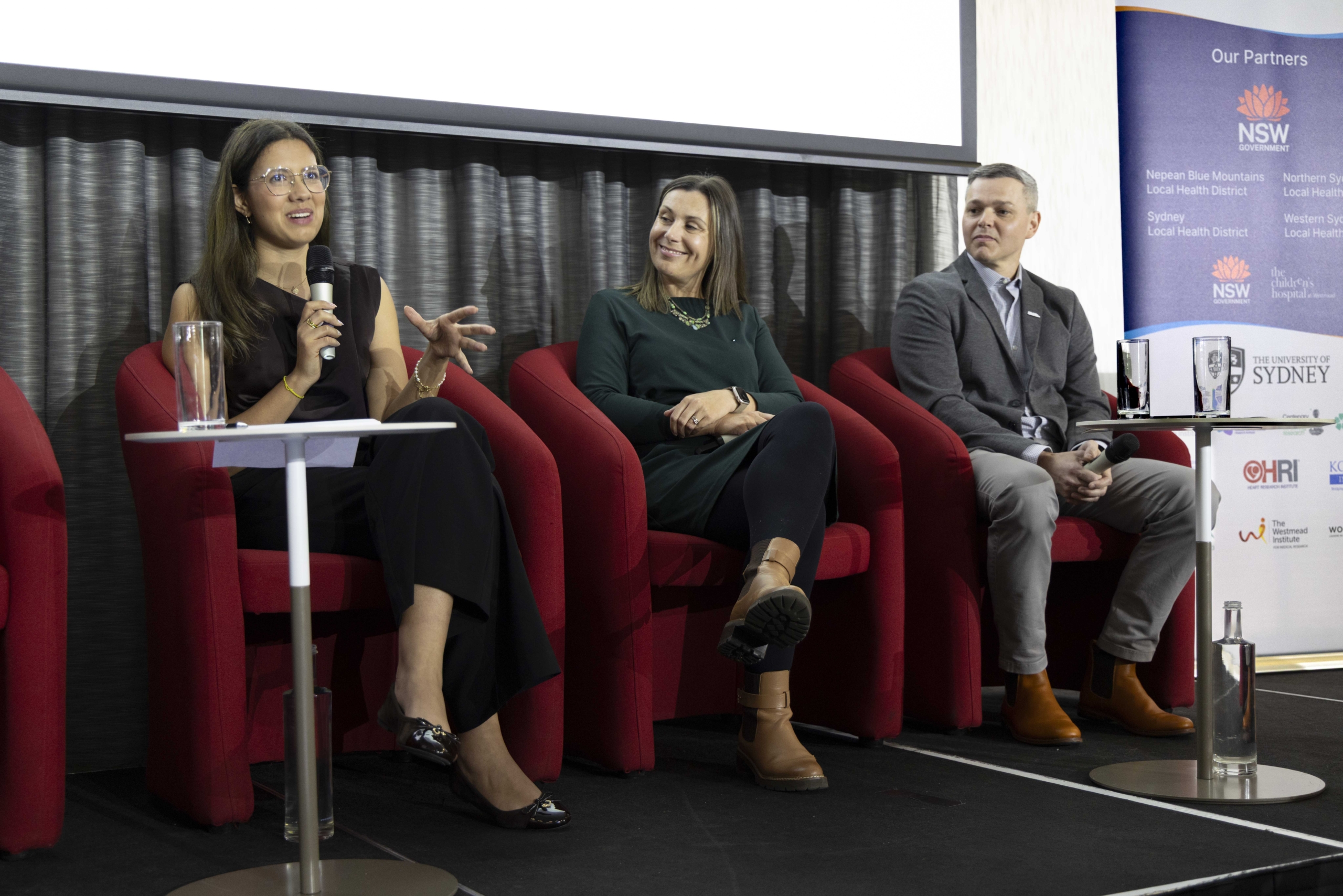
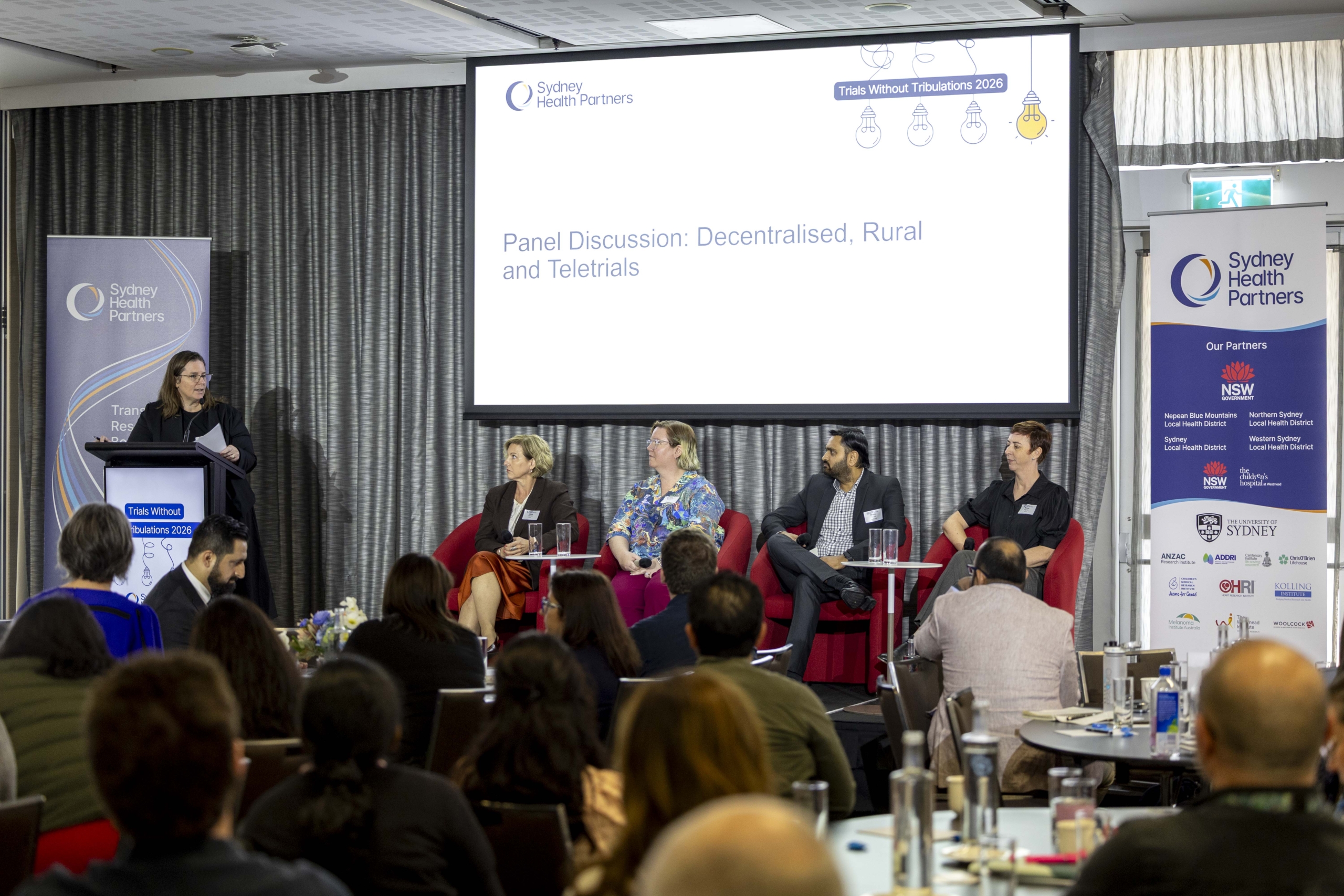
The patient experience remained central to many conversations, particularly in light of the growing national focus on consumer involvement in health and medical research. Panel discussions explored recruitment and retention strategies, diversity and inclusion, and ways of ensuring clinical trials remain accessible and meaningful for participants.
Financial management emerged as another key priority. Presenters shared practical advice on interpreting clinical trial agreements, managing budgets and improving financial oversight. The event also saw the launch of a new Sydney Health Partners’ Budget Tool for Investigator-initiated and Collaborative Trials, designed to help researchers better identify hidden costs, improve resource planning and develop more accurate grant applications and study budgets.
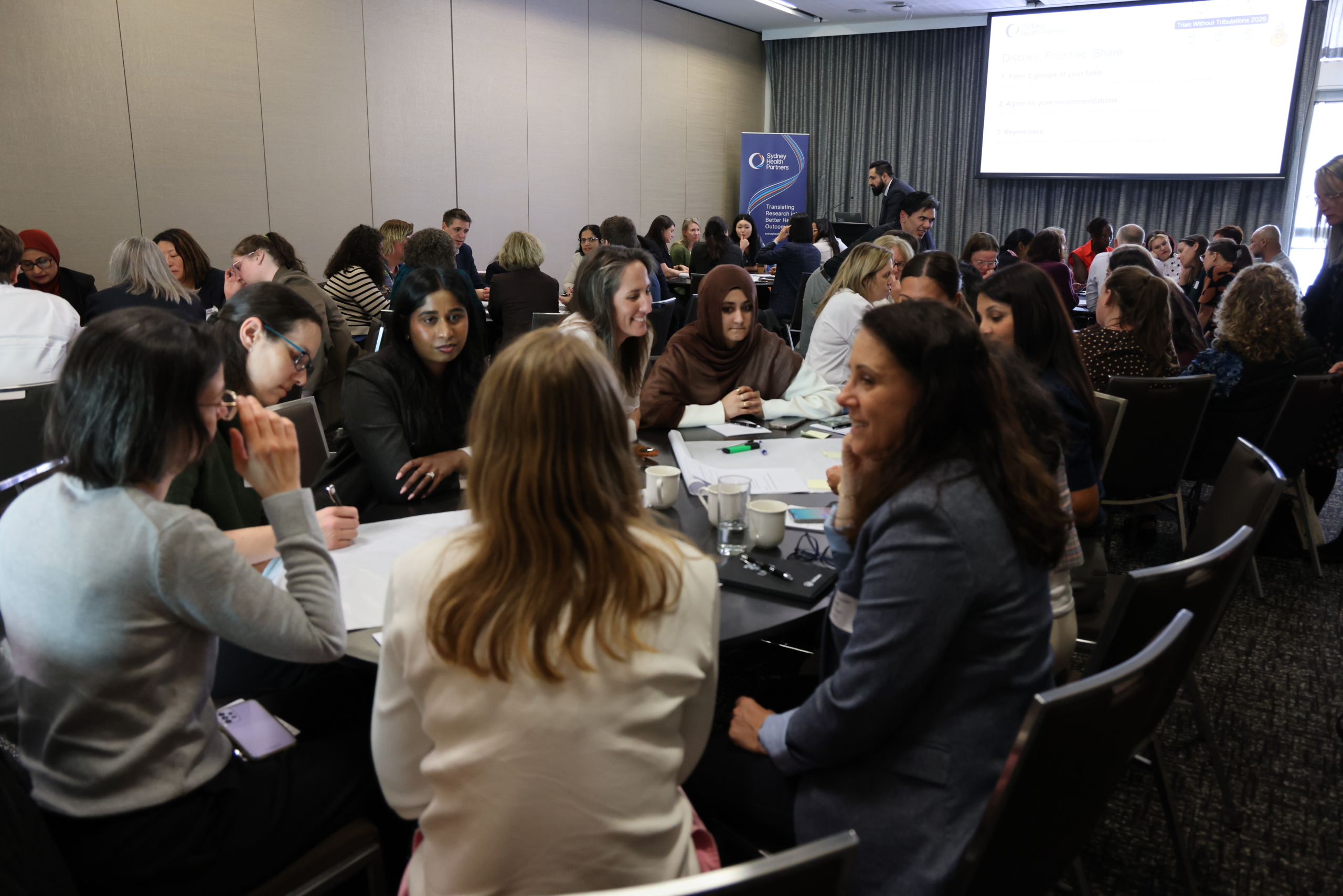
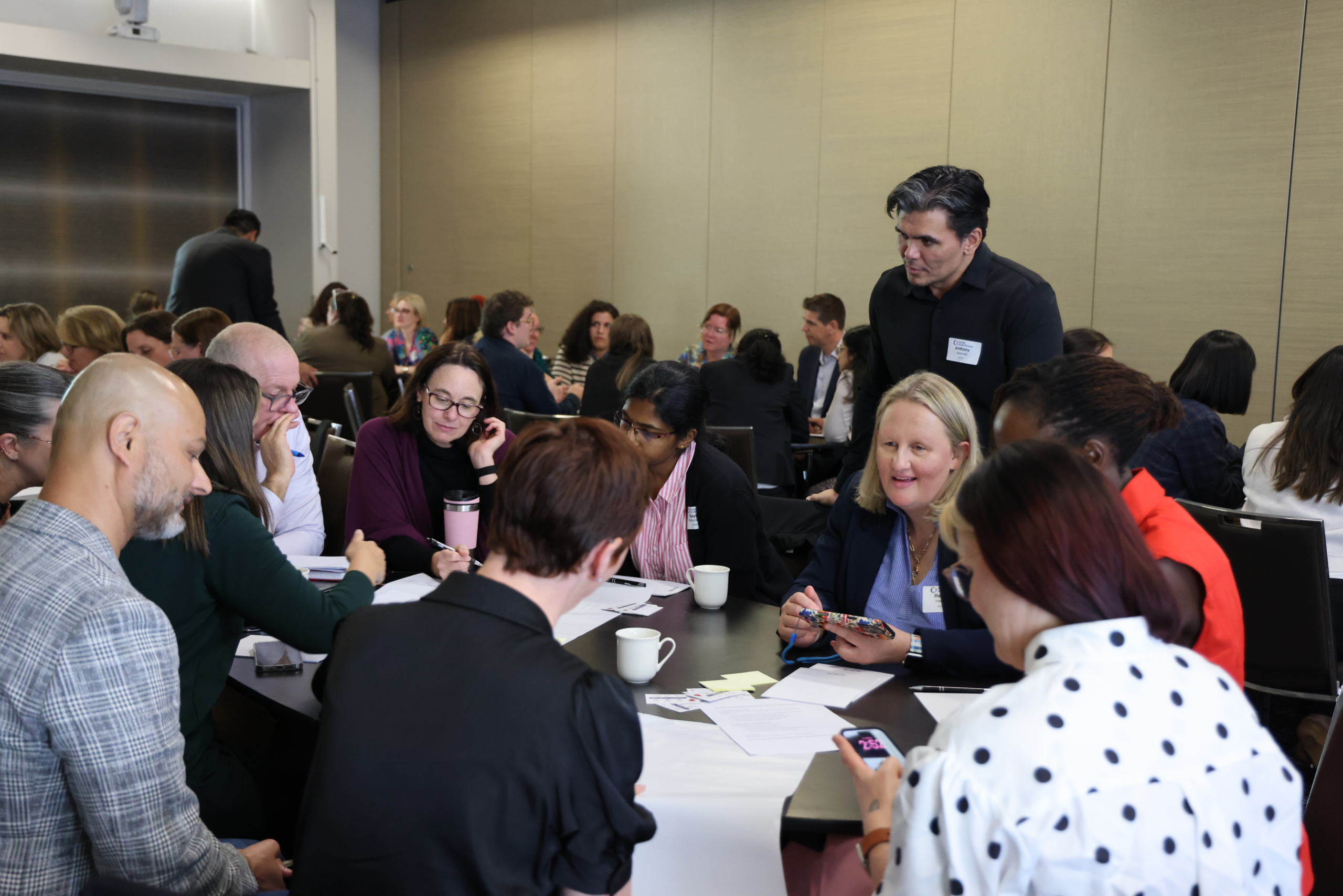
The afternoon program featured four interactive breakout streams covering clinical trial essentials, workforce and capability development, applications of AI in clinical trials, and strategies for improving feasibility, study start-up and sponsor engagement. These sessions provided attendees with opportunities to share experiences and develop practical solutions that can be implemented within their organisations.
By bringing together clinical trial professionals from across NSW for the first time, Trials Without Tribulations 2026 created a unique opportunity to share expertise, foster collaboration and strengthen the workforce supporting high-quality clinical trials.
Watch this space for details of Trials Without Tribulations 2027.
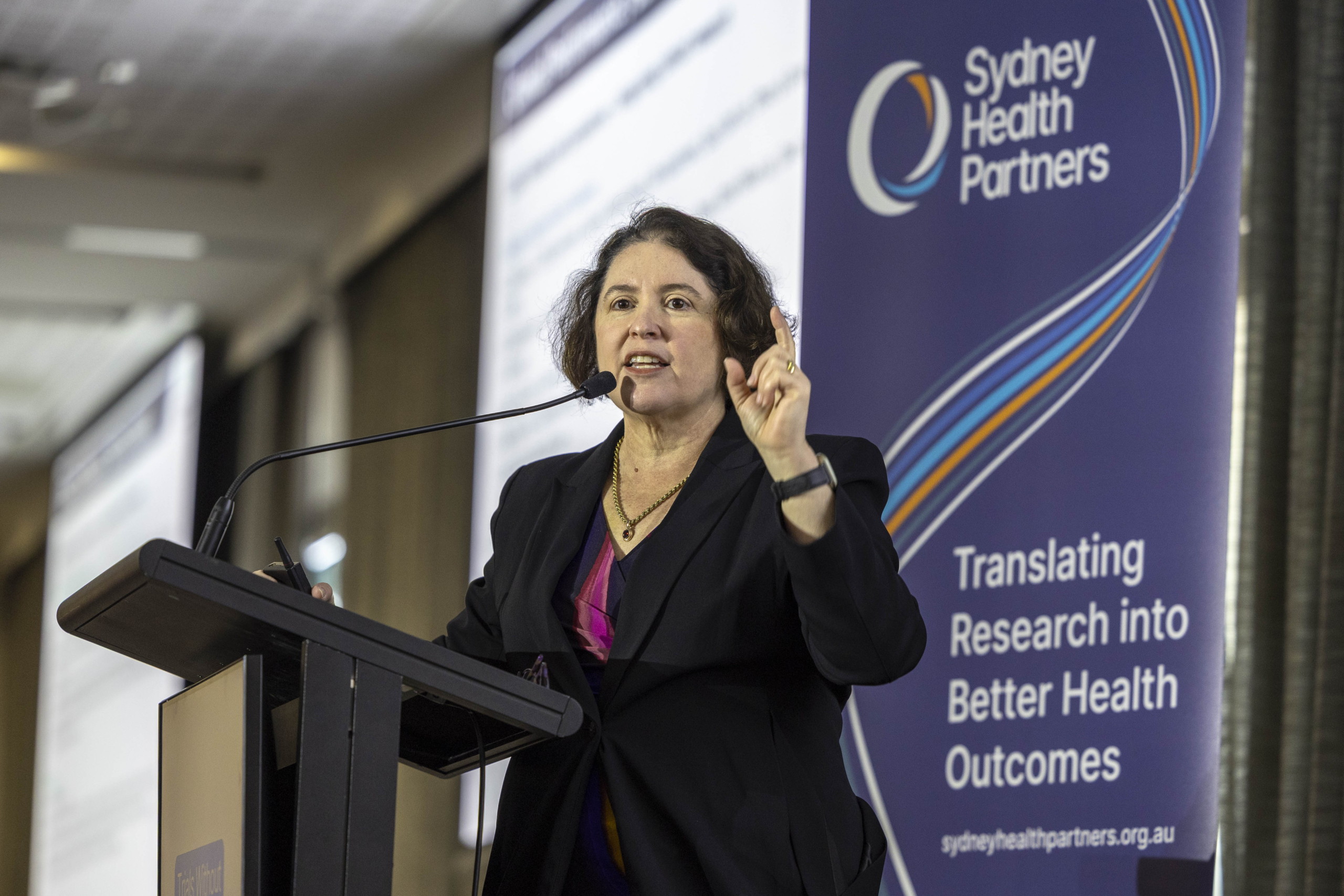
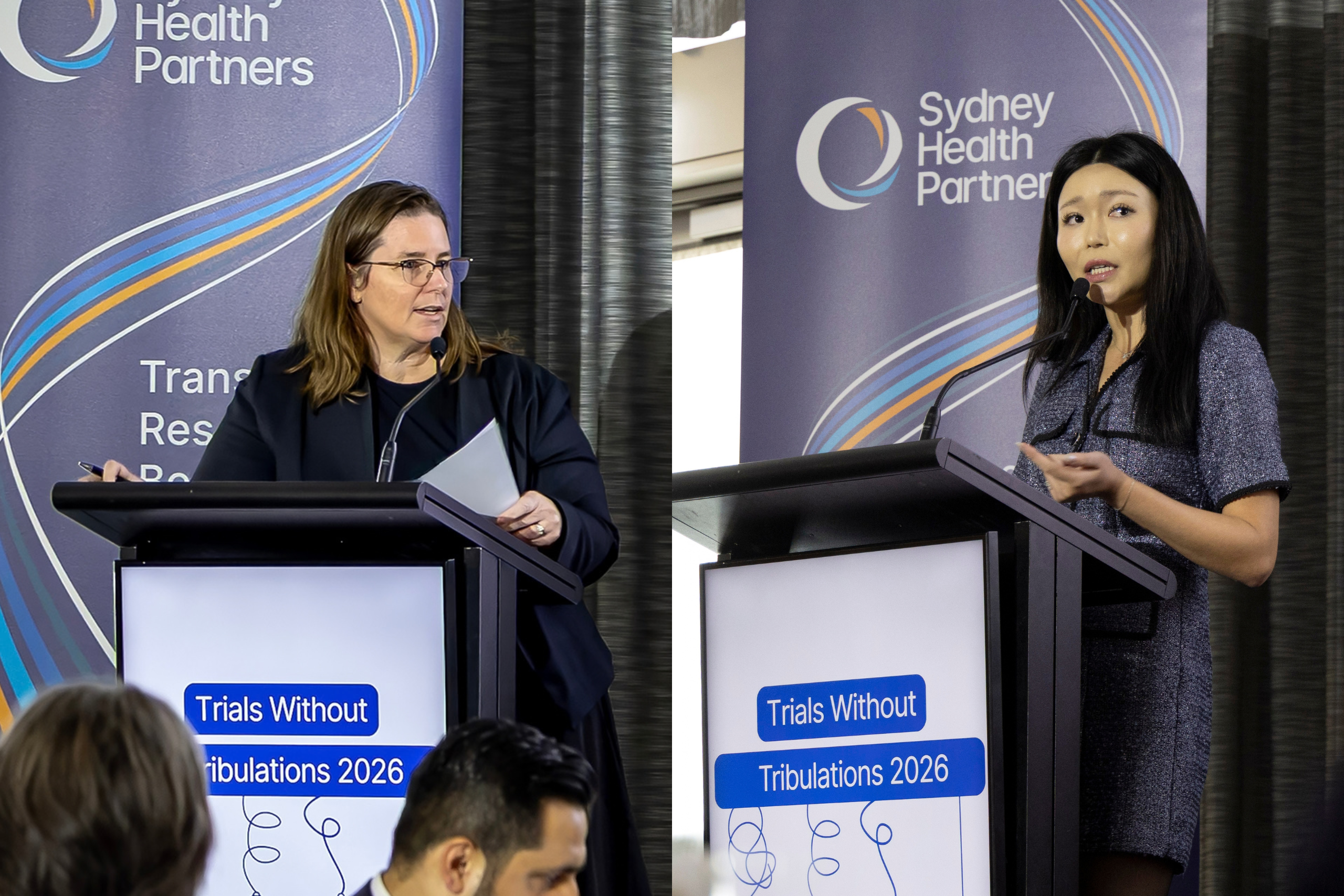
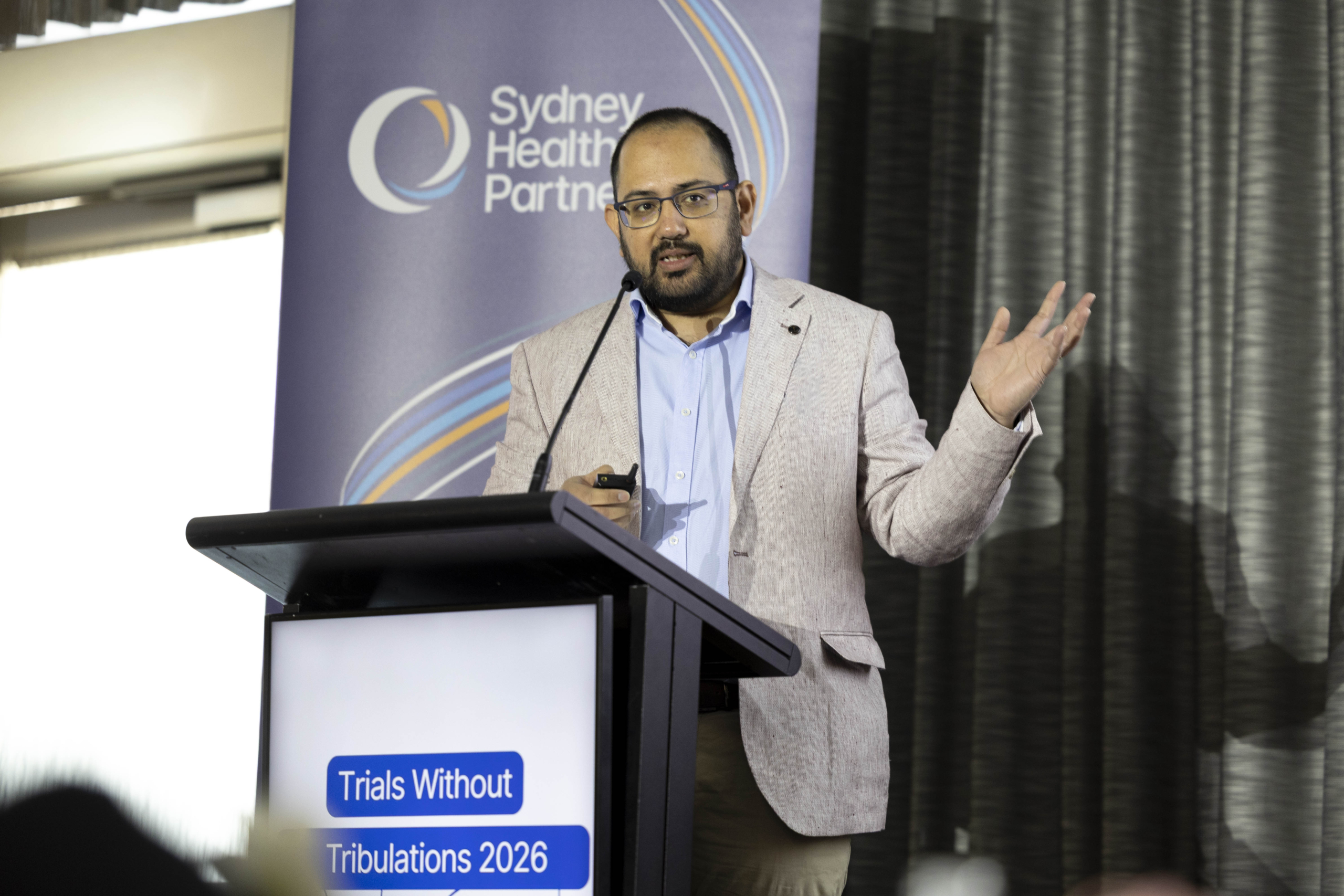
Trials Without Tribulations 2026 in Pictures