

Update
Exploring the Future of Obesity and Sleep Apnoea Care

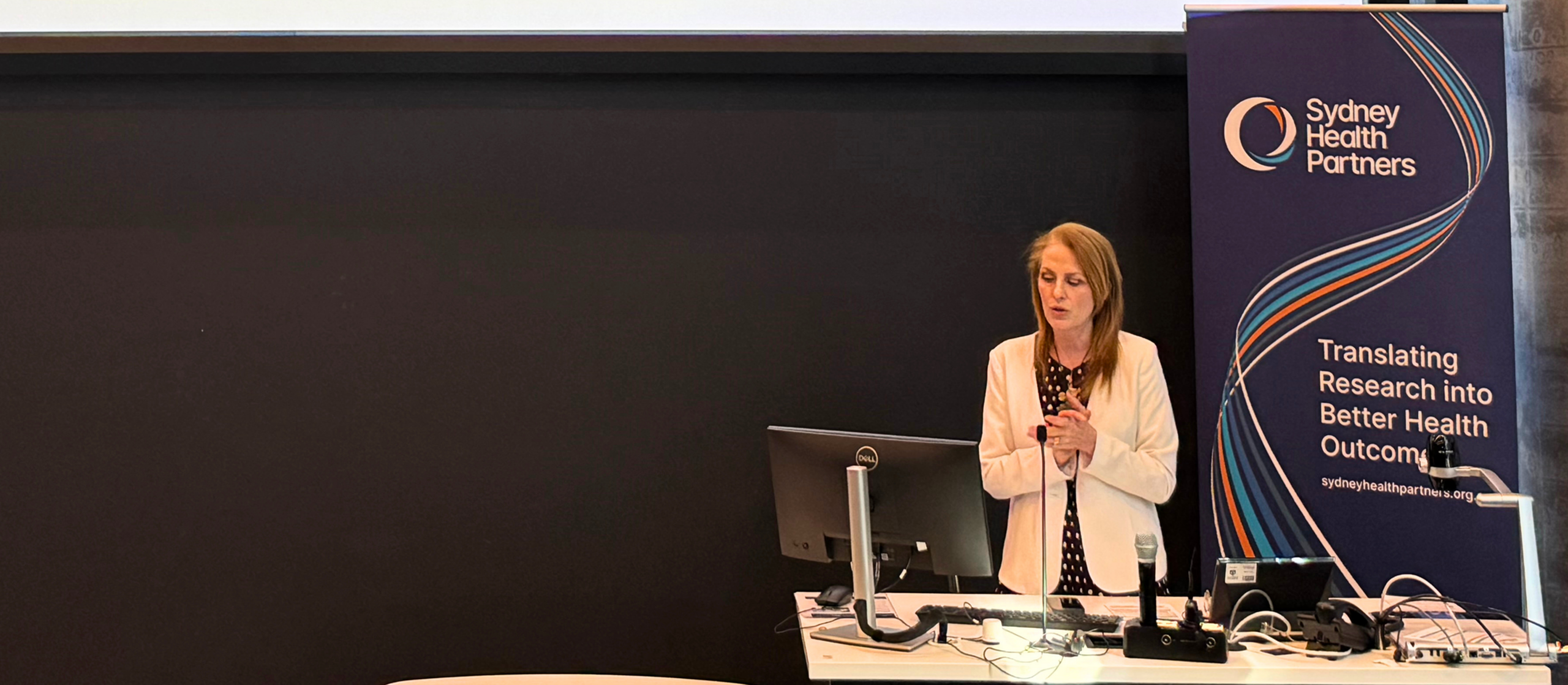
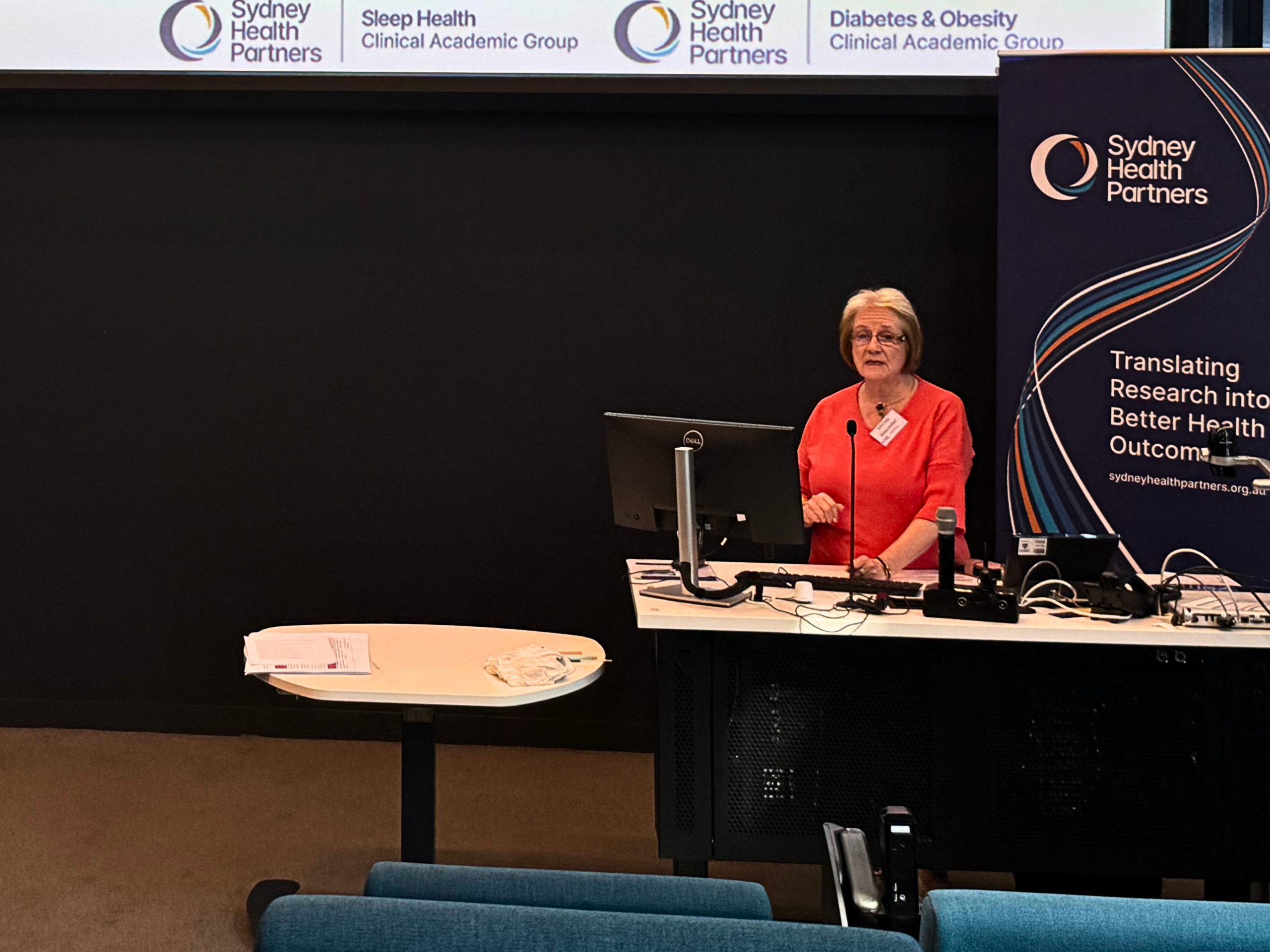
Clinicians, researchers, allied health professionals and health consumers recently came together for a workshop hosted by two of Sydney Health Partners Clinical Academic Groups (CAGs), Diabetes and Obesity CAG and Sleep Health CAG, exploring the evolving management of obesity and obstructive sleep apnoea (OSA).
Published date:
The workshop examined emerging evidence on obesity and sleep health, including the role of incretin therapies, multidisciplinary care models, practical management strategies and implementation challenges across both adult and paediatric medicine. Participants also discussed future research priorities and opportunities to translate new evidence into routine clinical practice.
A key theme throughout the event was the growing evidence that obesity management, including medications can lead to meaningful improvements in sleep apnoea severity, sleep quality and overall health outcomes.
Dr Kathryn Williams, Head of Department for Endocrinology at Nepean Hospital, provided an overview of obesity and advocates for reframing obesity as a chronic disease with improved access to treatments. She described the importance of diagnosing excess adiposity rather than focusing solely on Body Mass Index (BMI).
Presentations highlighted how advances in obesity management medicines are creating new opportunities to rethink traditional approaches to care. Professor of Sleep Medicine, Ron Grunstein discussed evidence showing that while continuous positive airway pressure (CPAP) machines can reduce daytime sleepiness in people with sleep apnoea, weight loss provides similar improvements while also delivering broader health benefits, including reductions in cardiovascular and metabolic risk.
“We are in a state of revolution with the treatment of obesity,” said Associate Professor Samantha Hocking, Endocrinologist at Royal Prince Alfred Hospital and Clinical Academic at the University of Sydney, highlighting the effectiveness of modern incretin-based therapies and bariatric surgery in supporting significant weight loss and reducing sleep apnoea severity. She supported that obesity is a chronic disease requiring ongoing management, with medical and surgical treatments most effective when combined with sustained lifestyle changes.
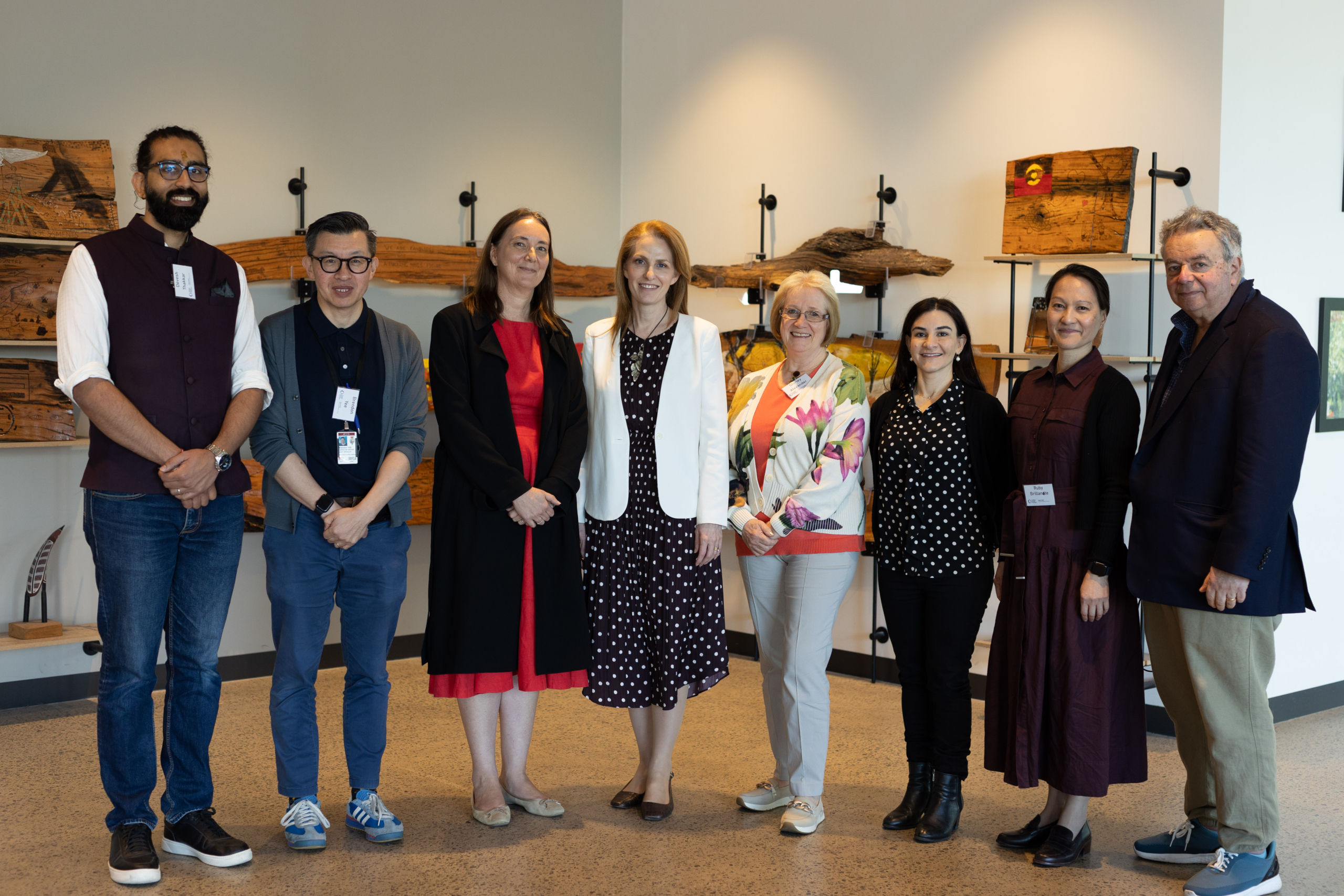
There was strong consensus among the panel that obesity should be recognised and managed as a complex chronic disease, requiring greater awareness, earlier intervention and coordinated models of care. The panel reinforced the importance of multidisciplinary care, with specialists, general practitioners, allied health professionals and researchers all playing a critical role in supporting patients receiving weight-loss therapies.
The workshop also provided an important opportunity to strengthen connections between clinicians, researchers and health services and identify priorities for future collaboration through Sydney Health Partners’ Diabetes and Obesity and Sleep Health CAGs.
Our Clinical Academic Groups share a strong commitment to improving outcomes in obesity and sleep health. We look forward to building on the momentum from this workshop to advance collaborative research and support the implementation of emerging evidence.
Sleep Health CAG Co-Chair Professor Brendon Yee
Interested in joining the Sleep Health CAG or Diabetes and Obesity CAG?
The Workshop in Images