


Funding
Interview with Research Translation Fellow: Alan Ma
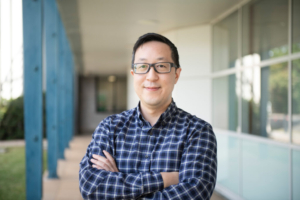
A determination to overcome this implementation challenge is driving the research career of clinical geneticist and Sydney Health Partners Research Translation Fellow Dr Alan Ma.
Published date:
One of the biggest challenges when translating research into routine clinical practice is achieving scale. New evidence-based interventions can often be resource intensive, limiting the number and distribution of patients who can benefit from them.
Overwhelmed by the rapidly growing demand for genetic advice and input from clinical genetics services, Dr Ma and fellow clinical geneticists, genetic counsellors, and lab geneticists at the Sydney Children’s Hospitals Network (SCHN) had resorted to meeting online to jointly consider numerous clinical cases and genomic results.
At the time, he says, these virtual genomic Multi-Disciplinary Teams (MDTs) were a pragmatic response to challenging circumstances.
“We couldn’t keep answering random emails and phone calls for advice all the time because the demand for genomics input into every area of medicine kept increasing,” said Dr Ma. “We had to find better ways of working, so out of desperation we started to do these virtual genomic MDTs.”
MDT discussions were held via Zoom and ranged from 60-90 minutes. Simple cases were recommended for quick testing, while cases involving rare genes, complex results, or gene therapies received longer discussion and management planning.
“We’d sit in a virtual room with paediatricians, many in rural locations, and help them work out if their patient needed a genetic test, tell them how to order it, and guide them through the process,” said Dr Ma.
“Sometimes we would even help them interpret the results and advise how to talk to the family.”
The skyrocketing demand for genomic medicine is the result of technological advances since a breakthrough in 2003, when the whole human genome – a complete set of genetic instructions in human cells – was mapped for the first time. That project took 13 years and cost $US 2.7 billion. Now, a person’s genome can be sequenced in a few days for less than a thousand dollars, and an increasing number of genomic tests are now funded through Medicare.
A genomic test can provide doctors with important information about a patient’s condition, including revealing an underlying illness and its genetic cause. Genomic understanding can also help stratify patients for appropriate treatment and provide information about their likely response to treatment.
Interpreting genomic data often requires collaboration between experts in molecular, clinical and functional genomics, as well as in organ-specific specialty areas. While the MDT approach has proven highly effective in other areas of medicine, most notably cancer treatment, its suitability for the implementation and delivery of genomic medicine was unclear.
Dr Ma used his Fellowship to lead a systematic review of whether the MDT model was the best way to facilitate genetic diagnostics and precision medicine and mainstream it into the health system.
“It was just something we were doing, but nobody had ever evaluated the evidence of the genomic MDT model’s effectiveness or otherwise, or tried to establish any protocols to improve it,” said Dr Ma.
“I wanted to know whether it was beneficial, improved outcomes or helped to propagate genomics into other areas.
“Another question was whether engaging highly specialized clinicians and scientists in MDT meetings was the most effective and efficient use of their limited time.
“I also wanted to know which factors determined the successful implementation and sustainment of the genomic MDT, and how those factors could inform future models of multi-disciplinary genomic care.”
The systematic review, published in the European Journal of Human Genetics, found that the genomic MDT model facilitated higher diagnostic rates and improved the clinical management of patients.
The findings of the review were backed up by an evaluation of the genomic MDT approach at SCHN, which included surveys and interviews with stakeholders.
“When we surveyed the clinicians who had attended MDTs, most of them said it was a beneficial exercise,” said Dr Ma.
“They were able to get a genetic test and a diagnosis that they might otherwise have been on a three-year waiting list for.”
Dr Ma also found that an additional benefit of the MDT model was that it improved the acceptability of genomics within health services.
“It helped to mainstream the emerging discipline within health services by better informing the non-genetics workforce.
“Basically, because we couldn’t do it all ourselves and there was a long waitlist, we were effectively teaching people how to do genomic medicine.
Dr Ma’s research is now being used by NSW Health’s Agency for Clinical Innovation to assist in the development of guiding principles for genomic MDTs throughout the state.
Dr Ma is also an active member of Sydney Health Partners’ Genomics and Precision Medicine Clinical Academic Group, which is focusing on genomic multidisciplinary models of care, its integration into non-genetics specialties, and building capacity and capabilities for better patient access to genomics and precision medicine.
“This group is exploring the of scope for genomic MDTs to inform scaling up and mainstreaming of genomics beyond the traditional Local Health District (LHD),” said Dr Ma.
What we’re doing with our virtual genomic MDT model is also improving access and equity. Patients from elsewhere in NSW can obtain an expert genomics opinion regardless of which LHD they are being treated by, and this promotes equity and access.
Dr Ma
“So rather than having, for example, an expert in eye genetics in every LHD, maybe it makes more sense to have a couple of them located in one centre of expertise where they can advise services throughout the state. We can then examine the feasibility of scaling up that service. I think that’s the next step to look at.”